
Erdinger Willow
Salix erdingeri
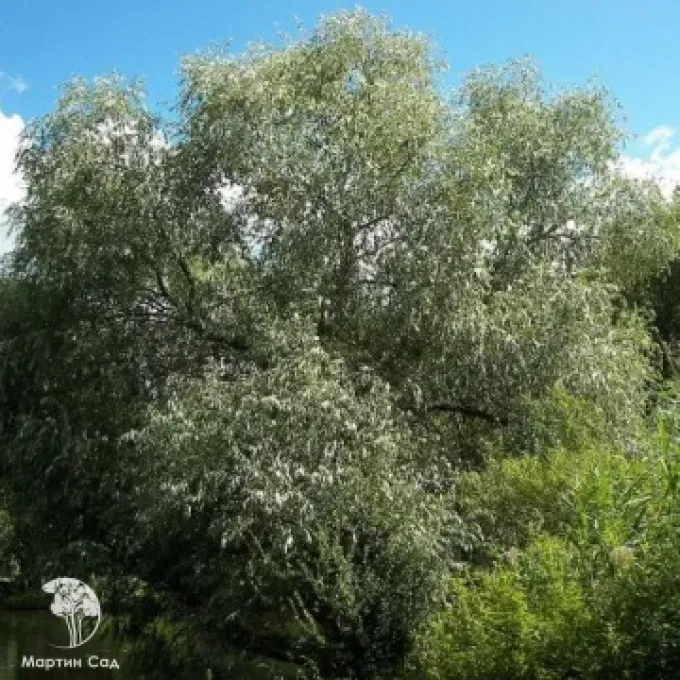
Description
Growing requirements
Erdinger Willow (Salix × erdingeri) is a hybrid plant belonging to the Salicaceae family, recognized for its exceptional growth vigor. This species is commonly associated with crosses between Salix caprea and Salix viminalis, combining traits that make it highly suitable for agricultural production.
The plant originates from European territories and is adapted to temperate climate conditions where consistent moisture is available. It thrives in regions with moderate rainfall, which supports the rapid development of its woody biomass during the active growing season.
Soil requirements for optimal performance include deep, nutrient-rich loams that retain sufficient moisture. While the species is water-loving, it requires well-aerated soil; therefore, waterlogged or compacted soils without drainage should be avoided to prevent root system suffocation.
Agronomic management involves preparing the field through deep plowing and incorporating fertilizers to ensure strong initial development. Planting is typically performed using dormant cuttings, which have a high rate of survival and root establishment when placed in suitable conditions.
Economically, this willow is highly valued for its dual-purpose utility in basketry and biomass energy production. Its ability to regenerate vigorously after seasonal harvesting allows farmers to maintain long-term, highly productive plantations for many years.
Main diseases and pests
Major phytopathological threats to this culture include rust fungi and leaf spot diseases, which can spread rapidly under warm and humid environmental conditions. These diseases often reduce the overall photosynthetic capacity of the willow stand.
Pests such as willow leaf beetles and various weevil species present significant risks, as they can cause extensive defoliation. Damage to the leaf surface hinders the accumulation of biomass and can weaken the plants over several consecutive seasons.
Protective measures include the application of fungicides and insecticides, as well as the implementation of integrated pest management strategies. Maintaining optimal density and ensuring proper airflow within the plantations significantly reduces the incidence of disease outbreaks.
Regular monitoring of the plantation throughout the growing season is essential for early detection of pest activity. Protecting the stems from mechanical damage and animal browsing is also critical, as injuries serve as entry points for bacterial and fungal pathogens.
Sustainable plantation management relies on keeping the area free from debris and using high-quality, disease-resistant plant material. These practices collectively ensure the stability and yield potential of the Erdinger Willow crop over the long term.