
Don's Willow
Salix doniana
Description
Growing requirements
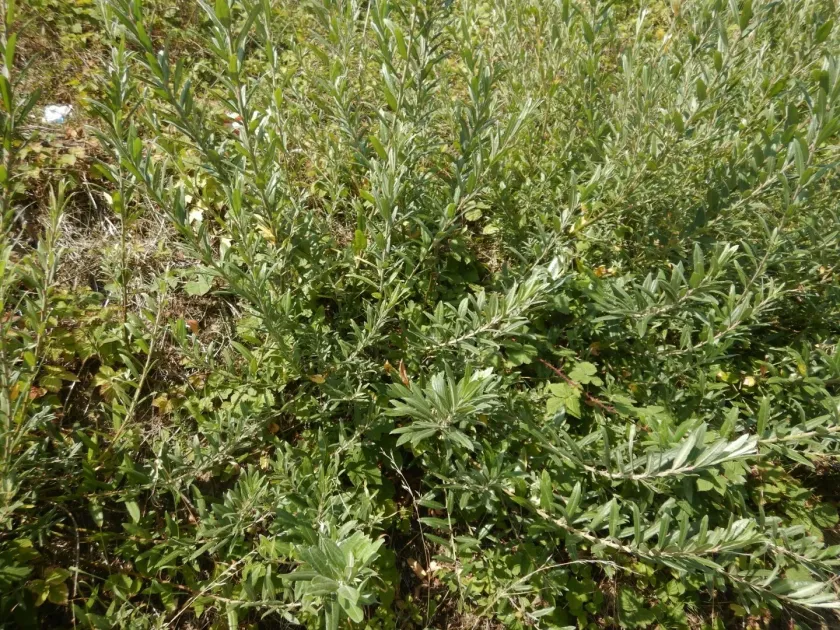
Don's Willow (Salix doniana) is a perennial deciduous shrub belonging to the Salicaceae family. It is widely recognized by horticulturists for its dense, compact growth habit and elegant, slender foliage, making it a popular choice for gardens and parks.
Originating from European habitats, this willow species is well-adapted to temperate climates. It thrives in sites with full sun to partial shade, where its branches can develop their natural, graceful shape without competition from larger vegetation.
The cultural requirements demand fertile, consistently moist soil. Although the plant is quite versatile, it performs best in soils with high organic matter content. Good drainage is essential to prevent root rot, especially in regions with high seasonal rainfall.
Don's Willow exhibits significant hardiness and can withstand cold winters effectively. It is relatively easy to establish, provided that the soil is kept moist during the first growing season until the root system is well-developed.
Maintenance involves routine pruning to maintain the desired size and shape. Removing dead or damaged branches in late winter or early spring encourages fresh, vigorous growth, ensuring the plant remains attractive throughout the season.
Harvesting
The primary use of Salix doniana is ornamental. It is frequently employed in landscape design for water-side plantings, small hedges, and as a focal point in rock gardens. Its texture provides a soft contrast to harder landscape elements.
Propagation is primarily achieved through stem cuttings. Both hardwood cuttings taken in winter and softwood cuttings taken in summer show excellent rooting capabilities, allowing for cost-effective mass production of the plant.
Beyond its visual appeal, the willow is also functional in environmental projects. It is an excellent candidate for slope stabilization and soil erosion control due to its extensive and fibrous root system that binds loose soil particles together.
Common threats include fungal infections such as rust and scab, which can impact foliage aesthetics. Maintaining proper spacing between plants ensures better air circulation, which is the most effective way to prevent these fungal outbreaks.
Insect pests, including aphids and leaf beetles, can occasionally infest the plant. Integrated pest management, focusing on early identification and targeted biological or chemical treatments, is recommended to manage these populations effectively.