
Hawthorn-leaved willow
Salix crataegifolia
Description
Growing requirements
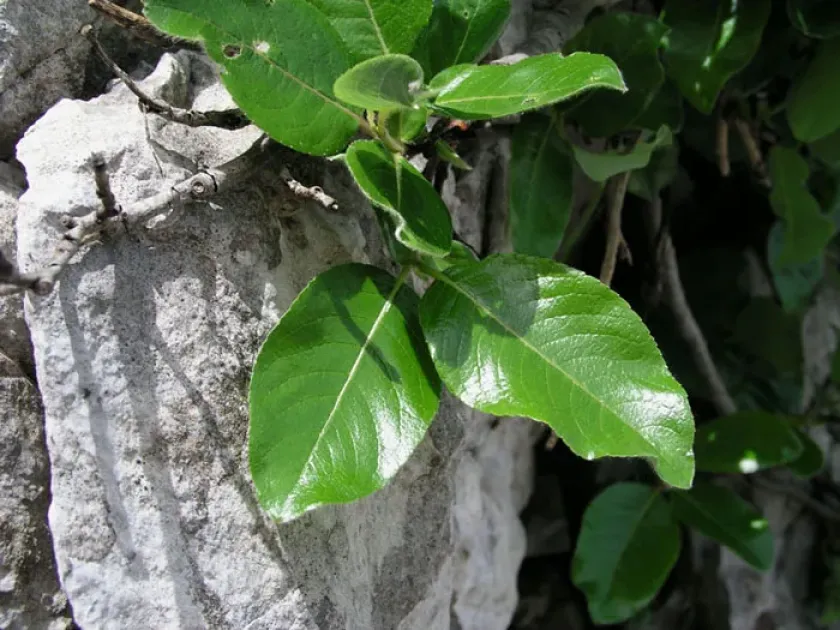
The Hawthorn-leaved willow (Salix crataegifolia) belongs to the Salicaceae family. It is a distinct shrub species recognized for its unique leaf morphology that closely resembles hawthorn foliage.
Native to the mountainous regions of East Asia, this willow naturally inhabits riparian zones. It thrives in environments where soil drainage is efficient despite high humidity levels.
The plant has specific environmental requirements, primarily regarding light exposure. It demands full sun to maintain healthy growth rates and to prevent the sparse development of the inner branch structure.
Soil preferences lean towards loamy, nutrient-rich substrates with a neutral to slightly acidic pH. Proper soil aeration is fundamental to ensure the respiratory function of the root system.
Agricultural management involves routine pruning to maintain the vigor of the plant. During the initial planting phases, supplemental watering is required to establish a strong root network.
Harvesting
The primary economic utility of Salix crataegifolia lies in the production of high-quality wicker. The stems possess excellent flexibility, making them suitable for traditional basket weaving and craft furniture.
Harvesting is traditionally executed during the dormant season. By cutting back the annual growth, farmers encourage the development of vigorous, uniform shoots in the subsequent growing season.
Post-harvest processing involves bundling the stems and drying them in well-ventilated areas. This ensures the wood retains its structural integrity and resists fungal decay throughout the storage period.
In addition to industrial use, this species is utilized in landscape engineering. It serves as a biological solution for slope stabilization and erosion control in sensitive watershed areas.
Management of pests and diseases requires monitoring for common willow afflictions, such as rust or aphids, particularly in high-density plantations where air circulation might be restricted.