
Salix cottetii
Salix cottetii
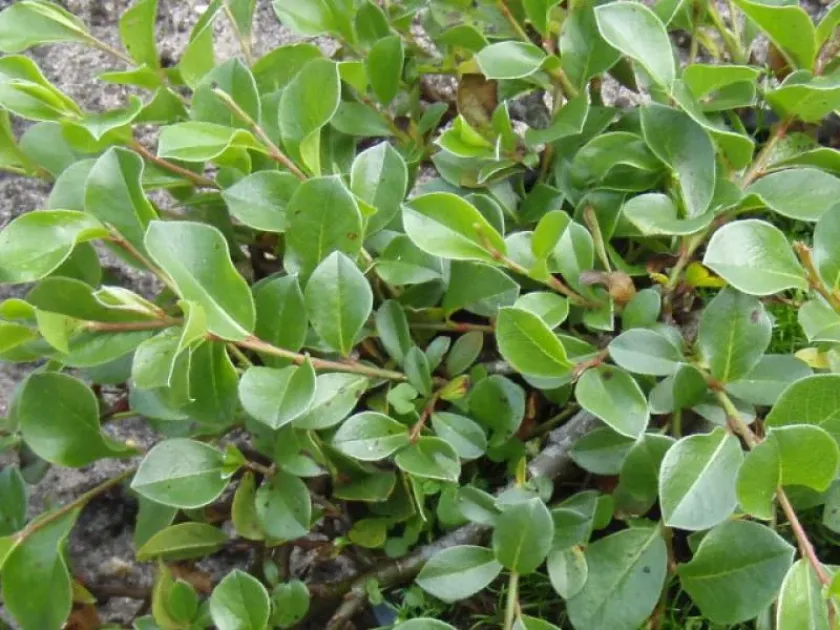
Description
Growing requirements
Salix cottetii is a low-growing shrub belonging to the Salicaceae family. This species is a natural hybrid native to the high-altitude regions of the Alps and the Pyrenees.
The plant prefers a temperate climate and well-lit areas. In its natural habitat, it is commonly found on rocky soils and along the banks of mountain streams, which explains its high adaptability to different soil types.
Successful cultivation requires moist but well-drained soils. The shrub does not tolerate waterlogging, so in areas with heavy clay soil, the installation of a drainage system is recommended.
This willow species is known for its high frost resistance and its ability to withstand significant temperature fluctuations, making it suitable for cultivation in regions with harsh winters.
From an agrotechnical perspective, Salix cottetii requires regular pruning to maintain a compact crown shape. Applying mineral fertilizers in the spring stimulates the growth of new shoots.
Main diseases and pests
Salix cottetii is relatively resistant to diseases, however, if agrotechnical standards are not met, it may be susceptible to fungal infections such as rust and powdery mildew.
To prevent the spread of pests, including aphids and various leaf beetles, regular preventive inspections are recommended during the spring and summer periods.
Timely sanitary pruning of damaged branches significantly reduces the risk of pathogens developing within the shrub's crown.
Protective measures include the use of modern fungicides and insecticides, applied according to official guidelines at the first signs of infestation.
An important preventive factor is ensuring good air circulation within the crown, which is achieved through regular thinning of the shoots.
Harvesting
The agricultural and ornamental use of Salix cottetii is primarily focused on landscape design, where it is valued for its dense, attractive foliage and compact size.
Due to the flexibility of its young shoots, Salix cottetii can sometimes be used in decorative basketry, although its primary value remains aesthetic.
The collection of material for propagation (cuttings) is carried out at the end of the dormancy period, before the onset of active sap flow, ensuring optimal seedling survival.
Regular pruning of the shrubs is performed after the flowering period ends, allowing the plant to recover quickly and prepare for the winter season.
In commercial nursery production for landscaping, seedlings are harvested with a root ball to preserve the root system and ensure high survival rates upon transplanting.