
Heart-leaved willow
Salix cordata
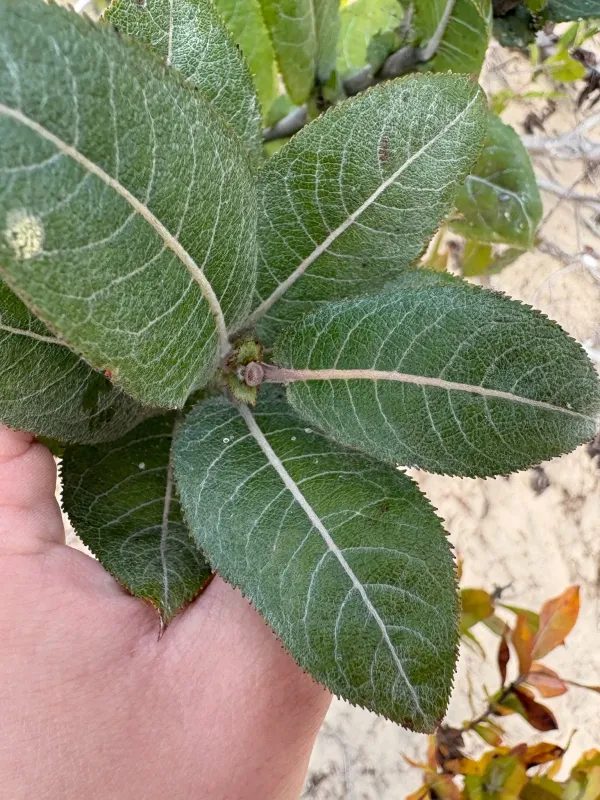
Description
Growing requirements
The heart-leaved willow (Salix cordata) is a perennial deciduous shrub belonging to the Salicaceae family. It is native to the wetlands and sandy banks of North America, where it thrives in moist, riparian environments.
This species requires full sun to partial shade for optimal health. It is highly valued for its ability to stabilize soil, as its expansive and robust root system is specifically adapted to prevent erosion in sandy or unstable landscapes.
Soil requirements involve moisture-retentive, loose substrate. While it is tolerant of various soil types, a neutral to slightly acidic pH is ideal for promoting vigorous growth and healthy foliage development throughout the season.
The climatic adaptability of Salix cordata is significant, as it is cold-hardy and capable of enduring harsh winters. It is well-suited for temperate regions where sufficient rainfall or groundwater supply is available to sustain its hydration needs.
Maintenance practices involve periodic pruning to manage size and shape, as well as spring fertilization to encourage new growth. Proper spacing is essential to ensure adequate air circulation and to minimize moisture retention around the base of the shrub.
Main diseases and pests
Common threats to Salix cordata include various leaf-eating beetles, such as the willow leaf beetle, which can defoliate the plant if not monitored. Early detection and mechanical removal are effective strategies for small infestations.
Fungal diseases like rust and leaf spot are prevalent in humid conditions. These pathogens cause premature leaf drop and can weaken the overall vitality of the shrub if the environmental conditions remain unfavorable for long periods.
Preventative measures include avoiding overhead watering, which promotes fungal growth on the leaves. Keeping the area under the shrub clean by removing fallen debris helps to reduce the inoculum load for potential diseases.
In cases of severe infestation or disease outbreak, targeted application of environmentally safe fungicides or insecticides is recommended. It is important to rotate products to prevent the development of resistance in pest populations.
Poor drainage is a major environmental stressor that can lead to root rot. Ensuring the planting site has adequate percolation is the most effective way to avoid systemic root diseases in this species.