
Golden weeping willow
Salix chrysocoma
Description
Growing requirements
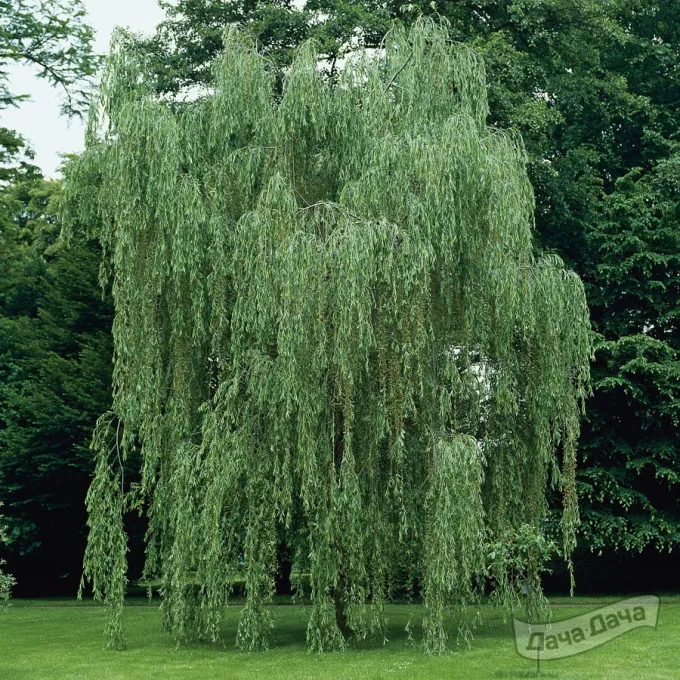
The Golden weeping willow (Salix chrysocoma) is a distinctive ornamental tree belonging to the Salicaceae family. It is widely recognized for its cascading, golden-yellow branches that provide a striking focal point in various landscape designs, especially near water features.
This species thrives in full sun exposure, which is essential for developing its vibrant bark coloration. While it possesses some tolerance for partial shade, the intensity of the yellow hue in its branches is significantly reduced if the tree is deprived of direct sunlight.
Moisture requirements for this culture are high, making it a hydrophyte-leaning species. It performs best in soils that are consistently moist and rich in organic matter. Sandy loams that can retain moisture without becoming completely waterlogged are considered ideal for healthy growth.
The tree prefers a neutral to slightly acidic soil environment. Proper site preparation, including incorporating compost or well-rotted manure, will ensure that the tree establishes a strong root system during its initial years in the landscape.
Temperature tolerance is generally good, allowing it to withstand a variety of temperate climates. However, in regions with very cold winters, it is beneficial to provide mulching around the base to insulate the roots and maintain consistent soil temperature throughout the colder months.
Main diseases and pests
Common fungal diseases affecting the Golden weeping willow include leaf spot and scab. These infections often develop during periods of high humidity and excessive rainfall, leading to defoliation and a decline in the tree's overall vigor.
Willow aphids are among the most persistent pests for this variety. They cluster on the undersides of leaves and on young shoots, extracting sap and weakening the tree, while also secreting honeydew that encourages the growth of sooty mold.
Canker diseases can also occur, particularly if the tree has suffered from previous mechanical damage or harsh winter stress. These fungal infections cause localized tissue death on the branches, which requires immediate pruning and disposal of affected wood.
Beetles, specifically those that bore into the wood, pose a significant structural risk to the willow. Once larvae penetrate the bark, they create tunnels that disrupt nutrient transport, potentially causing major limb loss or systemic decline.
A proactive pest and disease management program involves regular tree inspections and appropriate sanitary practices. Removing dead wood and ensuring adequate airflow through the canopy are critical steps in preventing the onset and spread of these biological threats.