
Coastal Plain willow
Salix caroliniana
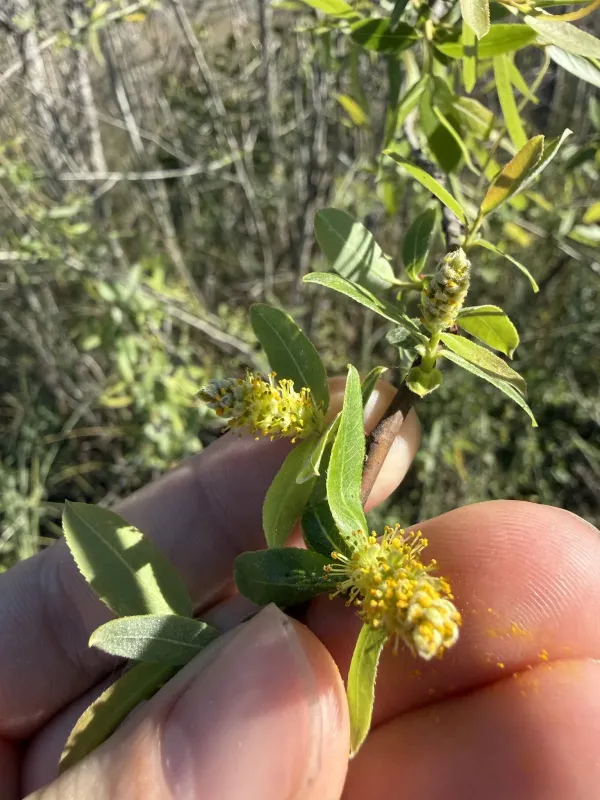
Description
Growing requirements
Salix caroliniana, commonly known as the Coastal Plain willow, is a deciduous tree or shrub belonging to the Salicaceae family. In its natural habitat, it typically grows in riparian zones, wetlands, and along stream banks where moisture levels are consistently high.
This species is native to North America, primarily across the southeastern United States. It is highly adapted to wet environments, making it an excellent choice for stabilizing soil in flood-prone areas or managing water runoff on agricultural land.
The Coastal Plain willow thrives in moist, fertile soils but shows remarkable adaptability to various soil textures, including sand and clay. While it prefers full sun for optimal growth, it can tolerate partial shade if the moisture requirements are adequately met.
It performs best in temperatures ranging from 18 to 25 degrees Celsius, though it exhibits strong hardiness during winter months. Proper soil pH, ranging from slightly acidic to neutral, supports the most vigorous vegetative growth and structural development.
Propagation is most efficiently achieved through hardwood cuttings taken during the dormant season. These cuttings establish root systems rapidly when planted in moist growing media, allowing for quick scaling of willow plantations.
Yield
The Coastal Plain willow is increasingly utilized for windbreaks and shelterbelts. By reducing wind speed across fields, these willow rows help mitigate soil erosion and improve the microclimate for nearby sensitive vegetable or field crops.
As one of the earliest blooming plants, it serves as a critical source of early-season pollen and nectar for pollinators. Beekeepers value this species for its ability to boost colony strength during the critical spring build-up period.
The wood produced by this willow species is flexible and lightweight, suitable for crafting baskets and artisanal wood products. Furthermore, its rapid biomass accumulation makes it a viable candidate for renewable biofuel production.
Beyond agricultural uses, it is highly effective in phytoremediation. The root system actively absorbs excess nutrients, such as nitrogen and phosphorus, from agricultural runoff, thereby protecting local waterways from eutrophication.
Sustainable harvesting of stems can be performed on a multi-year rotation without causing plant decline. Its high regenerative capacity ensures a consistent annual yield of biomass, providing economic value over several decades of plantation life.
Main diseases and pests
Willow leaf beetles are the primary pests that can cause significant defoliation if left unchecked. Implementing integrated pest management strategies, including the use of beneficial insects, is crucial for maintaining foliage health and vigor.
Fungal diseases, including rusts and leaf spots, often occur during periods of high humidity and poor air circulation. Improving plant spacing within the plantation is the most effective preventative measure against these fungal outbreaks.
Scale insects and aphids may occasionally infest stems, especially during periods of drought-induced stress. Monitoring plant health and ensuring adequate hydration can help the willows build natural resistance to these sap-sucking pests.
Sanitation is a vital aspect of disease control; removing fallen, infected foliage and pruning diseased branches prevents the overwintering of pathogens. This practice keeps the plantation clean and reduces the need for chemical intervention.
Overall, maintaining healthy soil nutrient levels helps the plants resist common diseases and pest attacks. A robust, well-fertilized willow is significantly more capable of recovering from environmental and biological stresses.