
Cantabrian willow
Salix cantabrica
Description
Growing requirements
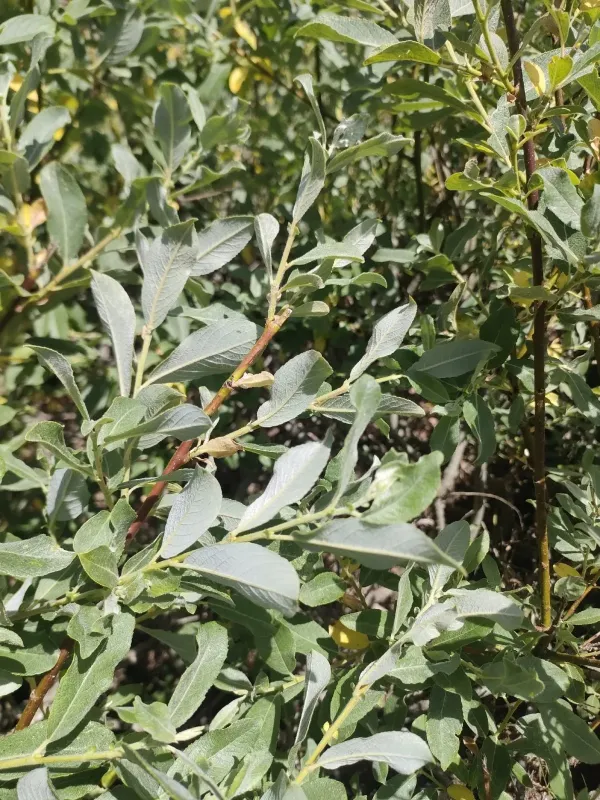
The Cantabrian willow (Salix cantabrica) is a member of the Salicaceae family. It is a distinctive shrub species endemic to the mountainous regions of northern Spain, specifically the Cantabrian Mountains, where it has evolved to thrive in cool, humid environments.
Regarding soil requirements, this species prefers well-drained, nutrient-rich substrates. While it enjoys consistent moisture, it does not tolerate waterlogging, as the roots require adequate aeration to prevent decay and ensure optimal nutrient uptake.
Light exposure is a fundamental requirement for the healthy development of Salix cantabrica. It performs best in full sun, which promotes the growth of dense, flexible shoots and improves the overall resilience of the plant to environmental stressors.
The climate must be temperate to cool to support the natural physiological cycles of this willow. In regions with long, hot summers, irrigation is essential to mimic the moist alpine conditions of its natural habitat and maintain leaf turgor.
Soil pH should ideally be kept in the slightly acidic to neutral range. Periodic soil analysis is recommended to manage nutrient availability, as improper pH levels can lead to micro-nutrient deficiencies, impacting the shrub's aesthetic appearance.
Harvesting
In terms of agricultural and artisanal use, the Cantabrian willow is highly regarded for the flexibility and durability of its young annual shoots. These are harvested for use in basketry and the creation of intricate woven garden structures.
Harvesting is typically conducted during the dormant season, when the sap flow is minimal. This timing ensures that the bark remains intact and the wood fiber is at its peak quality for bending without splitting or snapping.
Pruning techniques are crucial for managing the crop. Regular coppicing, or cutting the stems back close to the ground, stimulates the plant to produce a flush of long, straight, and unbranched shoots during the subsequent growing season.
Once harvested, the material must be properly processed. This involves drying the bundles in a well-ventilated, shaded environment to prevent mold growth and maintain the natural integrity of the willow fibers before they are used for weaving.
Sustainable harvesting practices ensure that the root system remains vigorous for many years. By leaving a portion of the older wood and managing the cutting cycle, growers can maintain high-quality annual yields while protecting the longevity of the plant.