
Sage-leaf willow
Salix candida
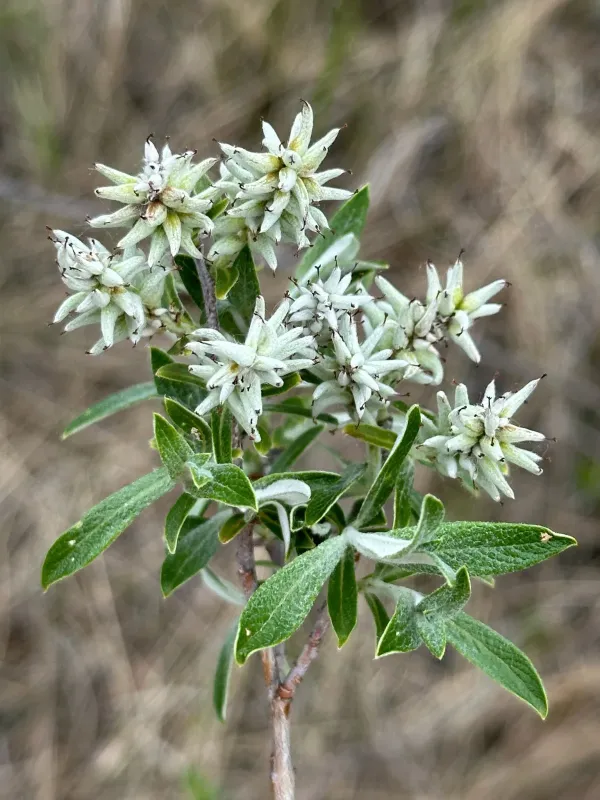
Description
Growing requirements
Sage-leaf willow (Salix candida) is a distinctive member of the Salicaceae family, recognized for its striking white-tomentose foliage. Originally native to North American wetlands and bogs, this species has adapted to survive in challenging, moist environments.
This crop is highly prized for its cold hardiness, making it an excellent choice for northern climates. It thrives in locations that receive full sun, which is crucial for maintaining the plant's characteristic silvery appearance and dense leaf cover throughout the growing season.
Moisture is the primary requirement for the successful cultivation of this willow. It demands consistently wet soils and performs exceptionally well in locations where other decorative plants might struggle due to poor drainage or seasonal flooding.
In terms of soil preference, Salix candida favors neutral to slightly acidic substrates that are rich in organic matter. While it is tolerant of low-nutrient bogs, consistent hydration is the non-negotiable factor that dictates the overall vitality of the crop.
Standard agronomic management involves light pruning to manage the shape and encourage new, healthy shoots. Younger stems typically exhibit more vibrant foliage colors, making regular pruning an essential practice for ornamental maintenance.
Main diseases and pests
Sage-leaf willow is susceptible to common willow pathogens, including various leaf rusts and powdery mildew. These fungal issues are often exacerbated by poor air circulation and high humidity levels around the foliage canopy.
Insect pests such as leaf beetles, aphids, and sawflies can cause significant damage to the plant's aesthetic value. These pests feed on the leaves and young tender stems, potentially stressing the plant if infestations are not managed.
Integrated pest management, including regular monitoring and the use of targeted treatments, is recommended. Maintaining proper plant spacing helps to improve airflow, which naturally reduces the likelihood of fungal colonization.
Sanitation practices, such as clearing away debris and pruning out diseased wood, are fundamental to managing the disease pressure. Early detection of larval activity is key to preventing severe defoliation during the summer months.
While Salix candida is a robust plant, keeping it healthy requires vigilance during the peak growth months. Proper hydration and soil health contribute significantly to the plant's inherent resistance against common opportunistic pests and diseases.