
Canary willow
Salix canariensis
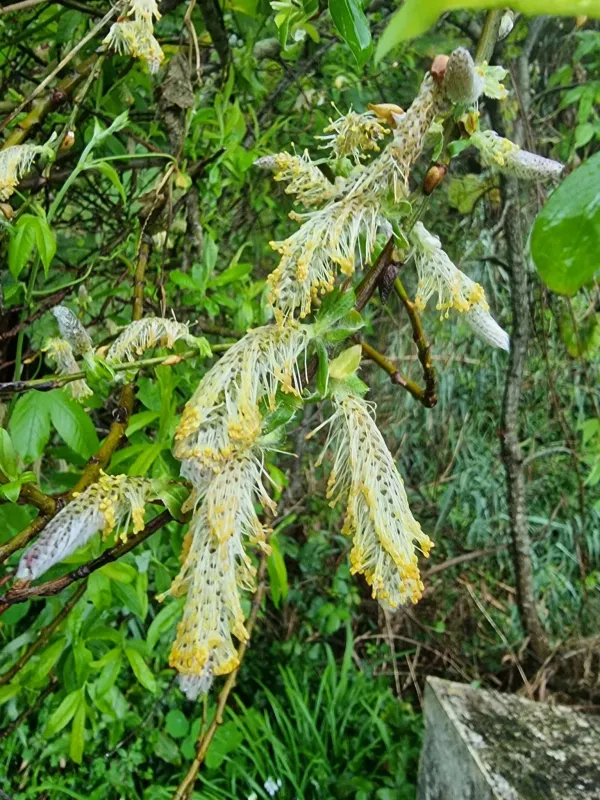
Description
Growing requirements
The Canary willow (Salix canariensis) is a species of flowering plant in the family Salicaceae, native to the Canary Islands. It is a distinct botanical species that has evolved within the unique ecosystem of the Macaronesian region.
This crop thrives in humid environments, typically found along stream banks, riverbeds, and wet ravines. It requires a temperate to subtropical climate where temperatures remain stable and frost is minimal or non-existent throughout the year.
Cultivation requires soil that is rich in organic matter and capable of maintaining consistent moisture levels. While the plant appreciates damp conditions, it needs well-drained soil structure to prevent root suffocation, especially during periods of heavy rainfall.
Botanically, the species is known for its slender, lanceolate leaves and flexible branches. Its growth habit makes it an excellent candidate for stabilizing soil on steep slopes and riverbanks where erosion might otherwise occur.
Agricultural and landscape use includes the production of flexible stems for weaving, the establishment of riparian buffer zones, and the use of the tree as an ornamental component in public garden spaces on the islands.
Main diseases and pests
The Canary willow is susceptible to various fungal pathogens that flourish in high-humidity habitats. Conditions such as willow scab or rust can impair the health of the leaves and stems if the canopy becomes too dense.
Pests, particularly aphids and various beetle species, can cause significant damage to the foliage during the peak growing season. Maintaining tree health through proper spacing and occasional pruning is crucial to reducing pest impact.