
Beautifully flowering willow
Salix calliantha
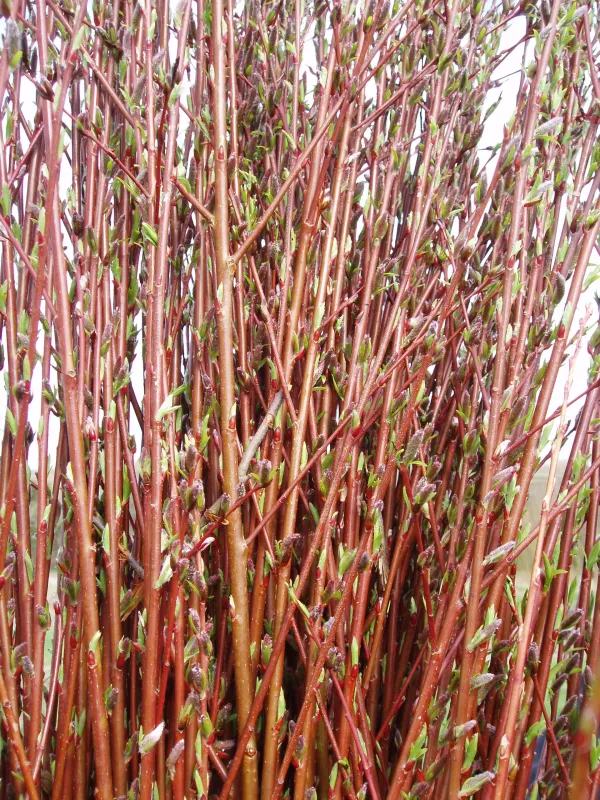
Description
Sowing dates
Propagation of Salix calliantha is primarily achieved through stem cuttings. Hardwood cuttings are harvested in late winter or early spring before the buds break, which ensures a higher success rate for root formation during the start of the active growing season.
Greenwood cuttings can also be used, typically harvested in early summer. These cuttings require careful attention to humidity and moisture levels, often benefiting from mist propagation systems in a greenhouse environment to prevent desiccation.
When preparing the site for planting, the soil should be loosened to a sufficient depth to allow for root expansion. Adding compost or well-rotted manure at the time of planting will help establish the root system in the early months of growth.
Spacing is a critical factor in agricultural management. Depending on the intended use, plants should be spaced to allow for proper light penetration and air circulation, which prevents the development of fungal pathogens and ensures uniform growth.
Young plants should be kept weed-free during the first two years of development. Mulching the area around the base helps retain soil moisture and suppresses weed growth, reducing competition for essential nutrients and water.
Growing requirements
Salix calliantha belongs to the Salicaceae family and is recognized for its unique aesthetic value and early blooming cycle. It is a highly adaptable species that thrives in temperate climates, showing a strong preference for moisture-retentive soils.
Soil quality is paramount for optimal health. While the species is tolerant of various soil types, it performs best in slightly acidic to neutral, nutrient-rich loams. Poorly drained, waterlogged soils should be avoided to prevent root rot.
Sunlight is necessary for the development of the colorful catkins that make this willow distinct. A location with full sun exposure promotes more vibrant growth and a more prolific flowering display compared to shaded environments.
Nutrient management involves applying a balanced fertilizer in the early spring. This stimulates vigorous growth as the plant enters its active cycle. Organic top-dressing can be applied annually to maintain soil structure and fertility over time.
Water requirements remain high throughout the growing season, especially during hot, dry spells. Regular irrigation ensures the plant remains vigorous and helps maintain the aesthetic quality of the foliage and the blooming potential for the following year.
Main diseases and pests
Pest management for Salix calliantha focuses on controlling willow-specific beetles and aphids that target new growth. Integrated Pest Management (IPM) practices, including the use of neem oil or targeted insecticides, are recommended when thresholds are met.
Fungal diseases, such as rust and black canker, are common in humid conditions. Managing these requires pruning affected stems to improve airflow and applying copper-based fungicides if the infection becomes widespread within the planting area.
Powdery mildew can occur during periods of high heat followed by cool, damp nights. Ensuring that the foliage stays as dry as possible and that the canopy is not too dense will naturally reduce the occurrence of this cosmetic and health-related issue.
Regular sanitation of the orchard or landscape is essential. Removing fallen leaves and dead wood reduces the overwintering sites for both pests and pathogens, keeping the willow healthy throughout the dormant winter months.
- Regular inspection for signs of leaf damage or discoloration.
- Proper disposal of infected material through incineration.
- Maintaining robust soil health to increase natural plant resilience.