
Blue willow
Salix caesia
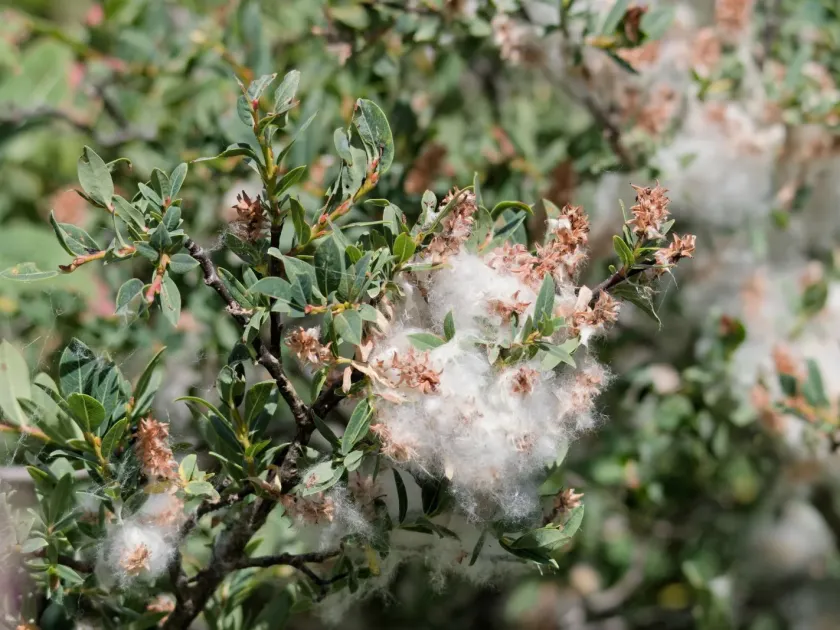
Description
Growing requirements
Salix caesia, commonly known as the blue willow, is a deciduous shrub belonging to the Salicaceae family. Native to the mountainous regions of Central Asia and the Altai, it is highly valued for its bluish foliage and compact growth habit, making it an excellent choice for ornamental gardens.
This species is exceptionally cold-hardy, thriving in environments where other shrubs might suffer. It requires a location with full sun exposure to maintain its characteristic leaf coloration and dense structure. In shaded areas, the plant tends to become leggy and loses its aesthetic appeal.
Regarding soil requirements, Salix caesia prefers well-draining, moderately moist soils. While it can adapt to various soil types, it performs best in neutral to slightly acidic conditions. It is essential to avoid sites prone to waterlogging, as the roots can be sensitive to prolonged anaerobic conditions.
Horticultural management involves annual pruning to encourage fresh growth and maintain the desired shape. Propagation is typically achieved through hardwood cuttings, which show a high success rate when planted in early spring before the buds begin to break.
The shrub serves various functional and decorative purposes, such as erosion control on rocky slopes, rock garden centerpieces, or as a feature plant near natural or artificial aquatic features where drainage is sufficient.
Main diseases and pests
The blue willow is susceptible to common willow pests, including leaf beetles and aphids. These insects can cause significant damage to the foliage if left unchecked. Regular inspection of the plant canopy is necessary to catch infestations early.
Fungal diseases like powdery mildew and rust are prevalent in humid conditions with poor airflow. Maintaining proper spacing between plants and ensuring good air circulation are the primary strategies to minimize the risk of fungal infections.
In cases of severe infestation, targeted applications of systemic insecticides or fungicides may be required. It is always recommended to prioritize organic methods to preserve the health of the local ecosystem where the willow is planted.
Spider mites can become a problem during hot, dry summer spells. Providing consistent moisture and occasionally misting the foliage can create an environment less favorable for these pests to thrive and spread.
Sanitation practices, such as removing fallen leaves and debris during late autumn, are vital. This significantly reduces the overwintering population of pathogens and insect larvae, leading to a healthier start for the plant in the following spring season.