
Boyd's Willow
Salix boydii
Description
Growing requirements
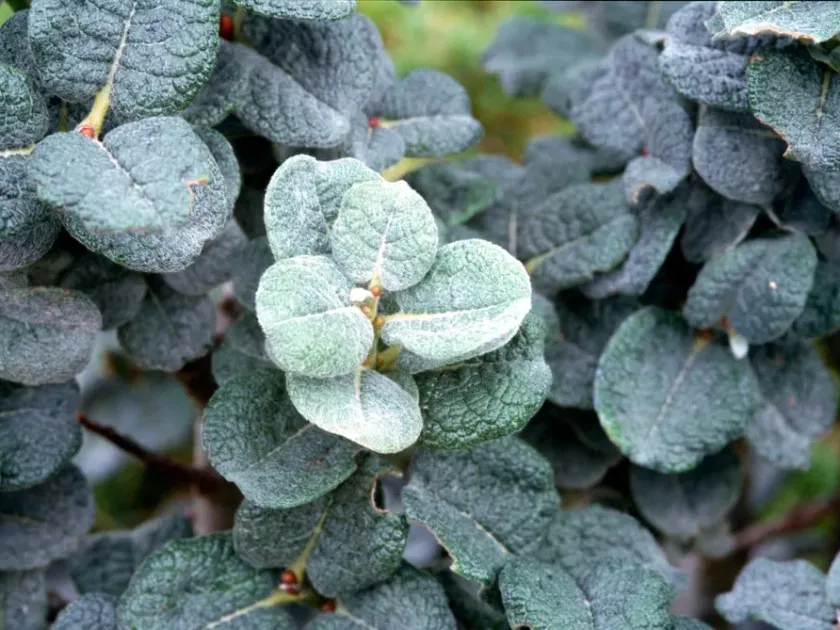
Boyd's Willow (Salix boydii) belongs to the Salicaceae family. It is a slow-growing, miniature deciduous shrub known for its twisted branches and small, leathery leaves.
The species is native to the Scottish Highlands, which dictates its preference for cool, alpine-like conditions. It thrives in well-drained, gritty soils and struggles in heavy or waterlogged earth.
For successful cultivation, choose a location with partial shade or full sun, provided the environment is cool. High summer heat can cause stress to the plant, so mulching with stones is recommended.
Agrotechnical care is minimal due to its extremely slow growth rate. Pruning should be restricted to removing dead or crossing branches to maintain its unique sculptural shape.
It is perfectly suited for rock gardens, alpine troughs, or bonsai culture, where its gnarled, ancient appearance can be fully appreciated by enthusiasts and collectors.
Main diseases and pests
The most common disease affecting this willow is leaf rust, especially during wet and humid summers. Providing good air circulation is the best preventative measure.
Pests such as aphids and spider mites can attack new growth. Monitoring is crucial, and organic soap sprays or specific acaricides should be applied at the first sign of infestation.
Root rot is a significant risk caused by improper irrigation practices or poor soil drainage. Ensure the planting site allows water to drain away from the root collar.
Damage from voles or rodents during winter can occur if the trunk is not protected, particularly in colder regions where snow cover provides cover for pests.
Regular monitoring of the foliage health and ensuring that no debris accumulates around the base of the plant will help keep the specimen vigorous and disease-free.