
Bonpland willow
Salix bonplandiana
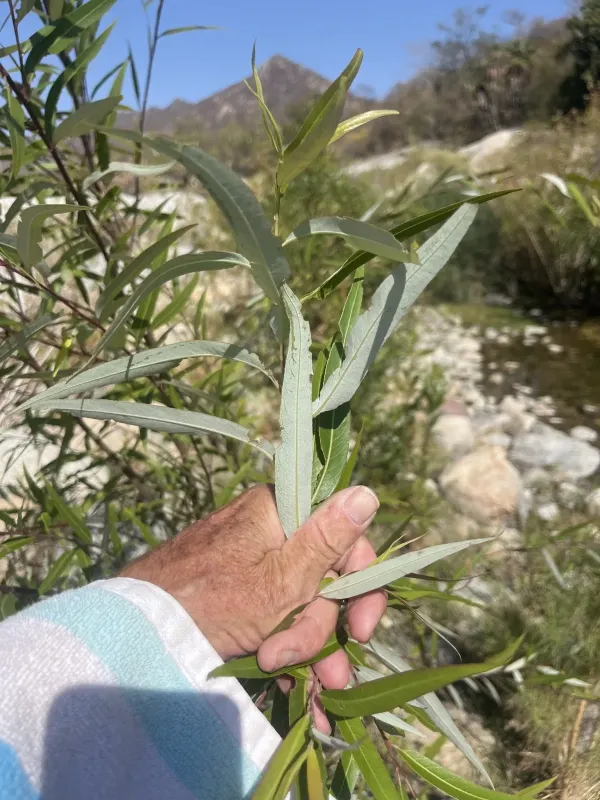
Description
Sowing dates
Propagation of Salix bonplandiana is primarily achieved through stem cuttings. Cuttings are typically taken from healthy, one-year-old shoots during the late winter dormancy period to ensure maximum vigor for early spring planting.
Cuttings should be approximately 25–30 cm long and planted in moist, well-draining soil. Providing a consistent supply of moisture during the first few months is critical for successful root development and establishment.
While seed propagation is possible, it is rarely used in agricultural practice due to the extremely short viability period of willow seeds. They generally lose their germination capacity within a few days of dispersal.
Site selection is crucial, as Bonpland willow is a light-demanding species. Planting areas should be free of significant shade to allow the tree to reach its full potential for biomass production.
Proper spacing is essential in plantation management to prevent overcrowding. A distance of 2 to 3 meters between individual trees allows for sufficient canopy spread and effective light penetration to lower branches.
Growing requirements
Bonpland willow belongs to the Salicaceae family and is native to the riparian habitats of Mexico and parts of Central America. As a mesophyte, it is naturally adapted to areas with regular water availability.
The species prefers deep, fertile, and well-aerated soils. While it thrives in moist conditions, it requires adequate drainage to prevent root suffocation, especially during prolonged periods of high rainfall.
It flourishes in moderate climatic conditions. Although it can tolerate some fluctuations in temperature, it performs best in regions where the growing season is long and free from severe, damaging frosts.
Nutrient requirements are relatively high, particularly regarding nitrogen, which is necessary for rapid vegetative growth. Soil fertility can be maintained through the application of organic amendments.
Maintenance of soil moisture is the most important agronomic practice. Mulching around the base of young trees helps preserve ground humidity and suppresses weed competition during the early growth stages.
Yield
The primary economic output of Salix bonplandiana is its timber, which is appreciated for its lightweight characteristics and flexibility. It is frequently utilized in the manufacturing of plywood and light furniture.
The bark of the willow contains significant levels of salicylates, making the species a viable candidate for the extraction of compounds used in the production of medicinal preparations and skin care products.
In landscaping and environmental management, this willow is used for stream bank stabilization. Its deep, fibrous root system is highly effective in preventing soil erosion along riverbanks and irrigation channels.
Biomass productivity can be optimized through intensive management practices, including annual pruning to stimulate juvenile shoot growth, which is often used in traditional handicrafts and basketry.
Commercial yields of wood are dependent on site quality and water access. In well-managed riparian zones, the willow exhibits high growth rates that make it a sustainable source of raw materials for various industries.
Main diseases and pests
The primary threats to the health of Bonpland willow include fungal pathogens, such as leaf rust and powdery mildew, which thrive in humid conditions. Managing air circulation is key to disease prevention.
Insect pests, including various species of willow beetles and leaf-miners, can cause significant defoliation. Integrated pest management strategies are recommended to monitor and control these populations effectively.
Bacterial canker is another serious condition that can affect the structural integrity of the tree. Proper sanitation, including the prompt removal of infected branches, is vital to prevent the spread of the pathogen.
Root rot, often caused by waterlogging in heavy, clay-based soils, poses a significant risk to the longevity of the plantation. Ensuring proper soil drainage is the most effective preventative measure.
To maintain high productivity, growers should employ regular scouting practices to detect early signs of infestation or disease, allowing for timely intervention with targeted organic or chemical treatments.