
Two-colored willow
Salix bicolor
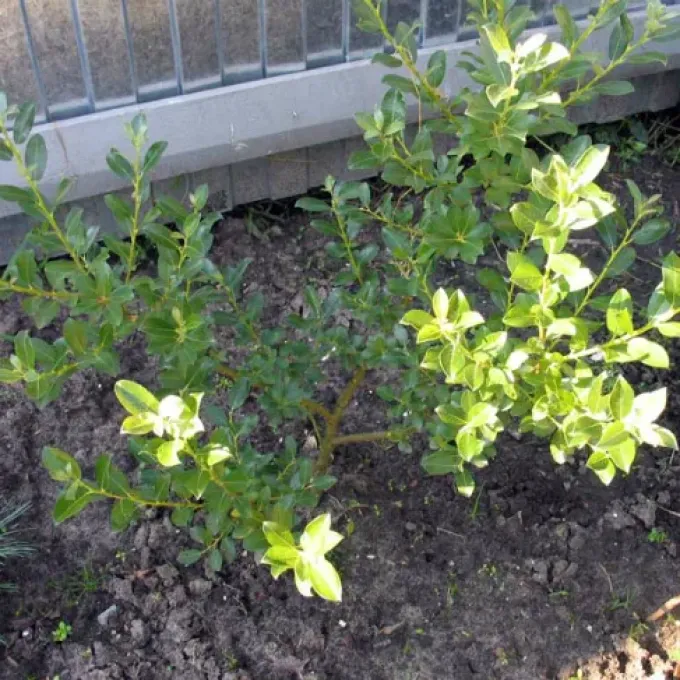
Description
Growing requirements
The two-colored willow (Salix bicolor) is a deciduous shrub belonging to the Salicaceae family. It is a hardy plant known for its ability to thrive in diverse moist environments, making it a valuable subject for agricultural and ecological planting projects.
Originating from the mountainous regions of Europe, the species is naturally adapted to cool climates and high humidity. It is frequently found inhabiting riverbanks and riparian zones, where it plays a key role in soil stabilization and erosion control.
Successful cultivation requires sites with consistent moisture levels. While the plant can tolerate short periods of waterlogging, it performs best in well-drained but consistently damp soil, which promotes vigorous growth of the seasonal shoots.
Sunlight exposure is a critical factor for the development of Salix bicolor. Although it shows some tolerance to partial shade, full sun is essential to maximize the biomass yield and ensure the production of strong, flexible branches suitable for industrial use.
Soil requirements are relatively moderate, though the plant benefits from neutral to slightly acidic pH levels. The integration of organic matter into the planting site during establishment helps to provide the nutrients required for rapid establishment.
Harvesting
The primary agricultural objective for growing Salix bicolor is the harvesting of its pliable stems. The harvest is typically conducted during the dormant winter months to ensure the wood is of the highest quality and durability for processing.
Manual or mechanized cutting techniques are employed depending on the scale of the operation. Regular pruning is necessary to maintain the plant in a juvenile state, which encourages the production of long, straight, and unbranched shoots every season.
Post-harvest management involves sorting the stems by diameter and length. Proper storage in a ventilated environment is crucial to prevent the onset of fungal pathogens that could compromise the integrity of the willow wood.
Processing the stems often involves boiling or steaming to facilitate bark removal and improve the pliability of the wood for various crafts. This stage is vital for creating high-value consumer products from the raw harvested material.
In addition to traditional crafts, Salix bicolor is increasingly recognized for its role in bioenergy production. Its rapid growth cycle allows for short-rotation coppice systems, providing a renewable source of wood chips for local heating applications.