
Berberis-leaved willow
Salix berberifolia
Description
Growing requirements
The Berberis-leaved willow (Salix berberifolia) belongs to the Salicaceae family. It is a distinctive prostrate or semi-erect shrub known for its high ornamental value in specialized gardening environments.
Its natural habitat covers the high-altitude mountain regions of Eastern Siberia, the Far East, and parts of Northern Japan. It is perfectly adapted to survive in harsh rocky tundra environments where the soil is nutrient-poor.
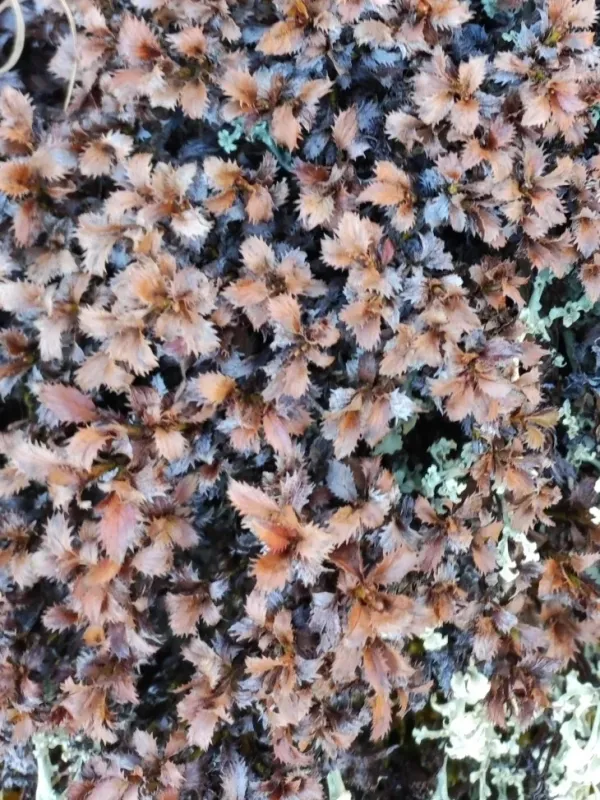
Botanically, it is characterized by small, dense, leathery leaves with serrated edges, resembling the foliage of the Berberis genus. The growth habit is slow, with the plant typically reaching heights of only a few inches.
To cultivate this species, one must provide well-drained, slightly acidic soil mixed with a high proportion of gravel or sand. It thrives in locations that offer full sun exposure and good air circulation to mimic its native alpine conditions.
Due to its extreme cold hardiness, this willow is an excellent choice for alpine rock gardens and troughs. It does not require intensive fertilization, as it is adapted to thrive in mineral-rich but organic-poor substrates.
Main diseases and pests
Waterlogging is the primary threat to the health of the Berberis-leaved willow. Poor drainage leads to root rot, which is often fatal to this species, as it is used to highly aerated mountain soil.
Powdery mildew can occur if the plant is grown in humid, stagnant environments. Maintaining adequate space between plants and avoiding overhead irrigation during humid weather is essential for disease prevention.
Insect pests such as aphids and leaf beetles can cause significant damage to young shoots during the active growth phase. Regular inspection and the application of organic insecticidal soaps can manage these populations.
Soil-borne pathogens represent a persistent risk in damp climates. Incorporating horticultural grit into the planting medium helps maintain the necessary porosity and prevents the development of fungal colonies.
During the dormant winter season, small rodents may gnaw on the bark if food is scarce. Protecting the base of the shrubs with wire mesh is a common and effective practice for maintaining plant integrity throughout the year.