
Bebb willow
Salix bebbiana
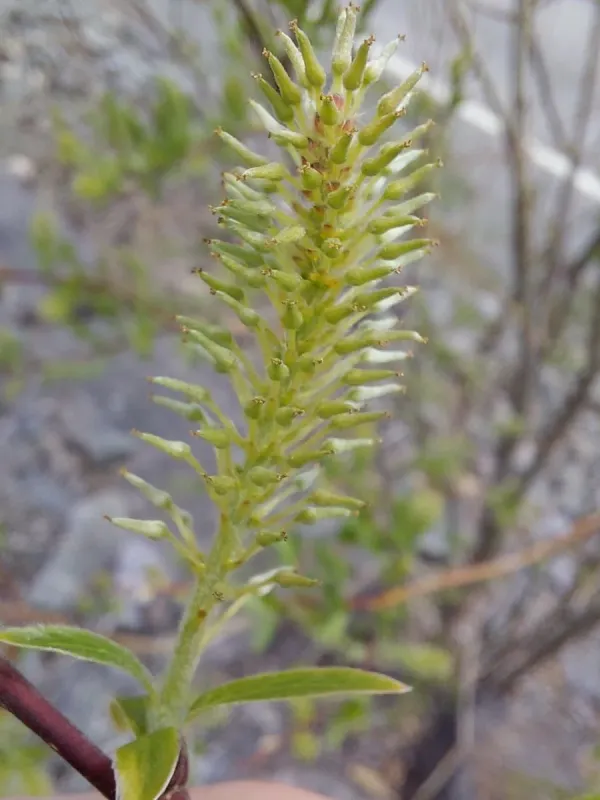
Description
Growing requirements
Bebb willow (Salix bebbiana) is a perennial shrub or small tree belonging to the Salicaceae family. It is native to North America, where it is widely distributed across diverse habitats, ranging from wet meadows to drier upland sites.
This species is well-known for its exceptional cold hardiness, allowing it to survive in harsh northern climates. Its botanical structure features distinct catkins and thin, flexible twigs, which are characteristic of the Salix genus.
Regarding climatic requirements, the Bebb willow prefers temperate zones with moderate rainfall. While it thrives in moist environments, it exhibits better drought tolerance compared to many other willow species, making it highly versatile for various land management projects.
Soil adaptation is a strong point for this plant; it prefers fertile, well-draining soils but can tolerate poor or rocky conditions if moisture is adequate. It performs best in neutral to slightly acidic pH conditions, which are common in its natural range.
The practical application of this crop includes soil stabilization, erosion control on riparian zones, and biomass production. Due to the high flexibility of its annual growth, it serves as a valuable resource for traditional basketry and weaving crafts.
Main diseases and pests
The primary diseases affecting Salix bebbiana are fungal infections, such as rusts and powdery mildew, which can significantly impact foliage quality during damp seasons.
Insects like leaf beetles and aphids are common pests that feed on young foliage and tender stems, potentially causing reduced vigor if not controlled early in the season.
Wildlife damage, particularly from deer or rodents stripping the bark during winter, is a significant threat to young plantations and requires proper fencing or trunk protection.
Management practices should include annual pruning, which not only improves plant health by removing dead or diseased wood but also stimulates the growth of new, flexible shoots.
Integrated pest management, involving monitoring and the use of targeted treatments, is essential for maintaining healthy stands and maximizing the yield of usable material.