
Balfour Willow
Salix balfourii
Description
Growing requirements
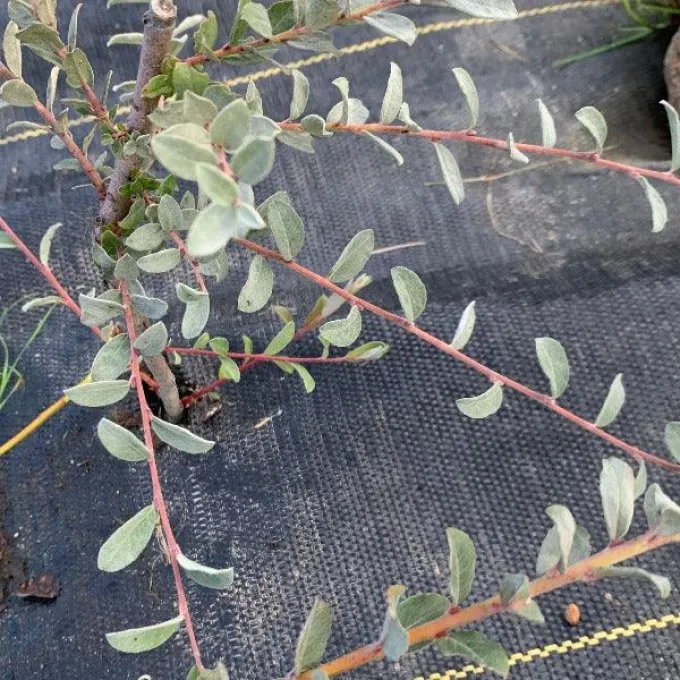
Balfour Willow (Salix balfourii) is a member of the Salicaceae family, recognized for its aesthetic appeal and structural versatility. Native to the high-altitude regions of the Himalayas, this species thrives in climates characterized by cool temperatures and significant humidity.
Cultivating this variety requires attention to moisture levels, as the plant demands well-drained yet consistently damp soil. High-fertility loams are considered ideal, providing the necessary nutrients for vigorous annual growth while maintaining an environment suitable for root development.
The plant is noted for its high frost tolerance, allowing it to adapt to various temperate landscapes. Proper positioning is crucial: Balfour Willow requires full sun to partial shade; however, excessive shade can lead to sparse canopy development and weakened branches.
Basic agro-technical measures include consistent mulching to preserve ground moisture and periodic cultivation of the topsoil to enhance aeration. Annual pruning is essential for structural management, encouraging dense branching and removing any dead or diseased wood before the growing season.
In agricultural and landscape applications, this willow is highly valued for phytoremediation and soil stabilization. Its deep, fibrous root system makes it an excellent candidate for reinforcing banks, preventing erosion, and managing excess water in riparian zones.
Main diseases and pests
Balfour Willow is susceptible to common fungal pathogens, with rust and leaf spot being the most prevalent issues. These infections are particularly aggressive during periods of prolonged leaf wetness or poor atmospheric circulation.
Managing fungal threats requires a combination of cultural practices, such as clearing debris from under the tree, and chemical intervention with fungicides during the early spring or onset of symptoms.
Insects such as the willow leaf beetle pose a significant risk, causing defoliation which can impact the long-term vigor and growth rate of the plant.
Control strategies involve the application of selective insecticides and the promotion of natural predators, such as ladybugs, within the immediate environment to regulate insect populations.
Regular inspection of the plant canopy is recommended to detect pests and pathogens early, ensuring that localized treatments can be applied before the issue becomes systemic.