
Bakko Willow
Salix bakko
Description
Growing requirements
The Bakko willow (Salix bakko) is a deciduous species belonging to the Salicaceae family. Native to East Asian landscapes, particularly Korea and Japan, this species is highly regarded for its unique foliage and adaptability to wetland environments.
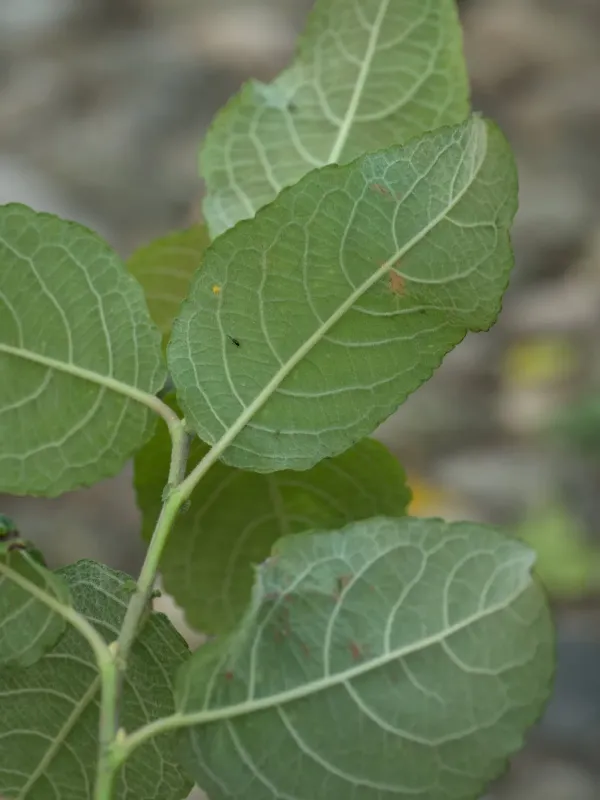
Botanically, Salix bakko is distinguished by its large, broad leaves that feature a dense, silvery-white tomentum on the underside. This specific structural trait serves as a mechanism to retain moisture and provides the plant with its characteristic ornamental appearance.
Successful cultivation requires sites with consistent soil moisture and high nutrient availability. While the plant can tolerate various soil textures, it thrives best in loamy, deep, and slightly acidic soils that are well-drained yet remain moist during the growing season.
Agrotechnical management involves annual pruning to maintain shape and encourage vigorous new growth. Fertilization with balanced NPK complexes during the early spring is recommended to support leaf development and overall plant health.
In terms of usage, the Bakko willow is frequently employed in landscaping for its structural beauty and as an effective bio-engineering tool for erosion control in riparian zones, providing both ecological and aesthetic benefits.
Main diseases and pests
The primary pathological threats to Salix bakko include fungal diseases such as rust (Melampsora spp.) and powdery mildew, which often manifest in high humidity and poorly ventilated environments.
Pest pressures primarily come from willow leaf beetles, aphids, and sawfly larvae, which can cause significant defoliation if left unmanaged during the peak summer growth period.
Management strategies involve a combination of biological controls and targeted chemical interventions using systemic fungicides and insecticides to maintain the tree's health.
Sanitation practices, such as the removal of infected branches and fallen leaves, are crucial for limiting the spread of fungal spores in the orchard or landscape setting.
Ensuring optimal air circulation within the canopy through proper spacing and pruning significantly reduces the vulnerability of the plants to these common biological threats.