
Dark-leaved willow
Salix atrocinerea
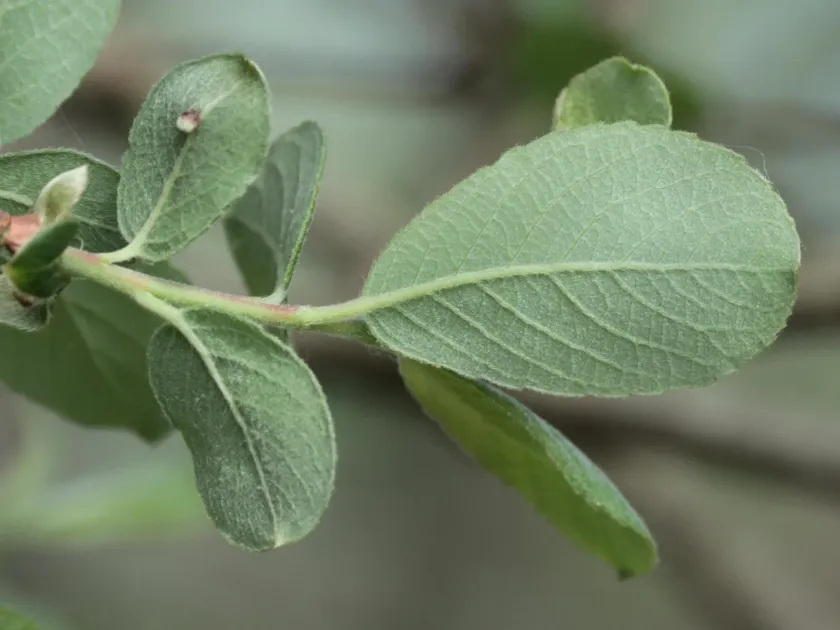
Description
Sowing dates
Propagation of Salix atrocinerea is typically conducted using hardwood cuttings, which are 20–30 cm in length. Planting is best performed in early spring before the buds break dormancy.
For commercial plantations, cuttings are spaced in rows approximately 70–100 cm apart, ensuring a density suitable for machinery access and optimal light competition.
Soil preparation is essential; the field must be cleared of perennial weeds and deep-ploughed to ensure the cuttings establish a strong root system during the first season.
Although autumn planting is possible in some climates, early spring remains the standard practice to avoid frost-heaving and winter damage to young, unrooted cuttings.
Maintaining adequate soil moisture in the weeks immediately following planting is critical to ensure successful rooting and initial vigor of the young willow shoots.
Growing requirements
As a member of the Salicaceae family, the dark-leaved willow is a water-loving species. It thrives in wet, marshy, or riparian soils and is highly effective at managing moist sites.
This species shows remarkable tolerance to acidic soil conditions, making it an ideal choice for the reclamation of post-mining landscapes or degraded peatlands.
The dark-leaved willow is highly cold-hardy, capable of withstanding the harsh winters of temperate regions without significant mortality or tissue damage.
Full sun is required for optimal growth. Shaded environments inhibit the production of dense, vigorous shoots necessary for both biomass and wicker production.
While tolerant of low nutrient levels, the application of balanced fertilizers during the first two years of establishment significantly enhances overall biomass yield.
Yield
The primary yield metric for Salix atrocinerea is its annual biomass production, measured in tons of dry matter per hectare per year.
When managed for energy production, regular short-rotation coppicing can yield 10–15 tons of dry biomass per hectare, depending on site fertility and moisture availability.
For high-quality wicker, the production focus is on generating straight, unbranched whips that meet specific diameter requirements for artisanal weaving.
A well-managed plantation can remain productive for 15–20 years, provided the root systems are not damaged during harvest and periodic nutrient replenishment occurs.
Yield stability is heavily dependent on the management of plant density, as overcrowding can lead to thinner, less vigorous shoots that are less commercially valuable.
Main diseases and pests
Rust (Melampsora spp.) is the most significant pathological threat, as it can severely damage foliage and impede the physiological processes required for healthy shoot growth.
Various defoliating insects, including willow beetles, can cause localized outbreaks that reduce the overall photosynthetic capacity of the plants during the peak growing season.
Powdery mildew can become an issue in plantations with poor air circulation or extended periods of high humidity, particularly in dense stands.
Effective management includes the use of resistant clones and timely removal of infected plant material to limit the spread of diseases throughout the plantation.
- Use of certified, healthy planting material.
- Integrated pest management approaches.
- Removal of damaged or diseased wood after harvest.
Harvesting
Biomass harvest is usually performed in late winter or early spring, while the plants are dormant and the moisture content of the wood is at its lowest.
Mechanical harvesting equipment is used to cut the stems close to the ground, which promotes vigorous coppicing and ensures high regrowth rates for the following season.
Post-harvest storage requires careful handling; wood should be stored in dry, well-ventilated conditions to reduce moisture levels and prevent fungal growth.
The efficiency of the harvest is determined by the straightness of the stems and the ease with which machinery can navigate between the rows.
Proper harvesting techniques are vital for the longevity of the plantation, as improper cutting can stress the plant and reduce its ability to recover in subsequent cycles.