
Arbutus-leaf willow
Salix arbutifolia
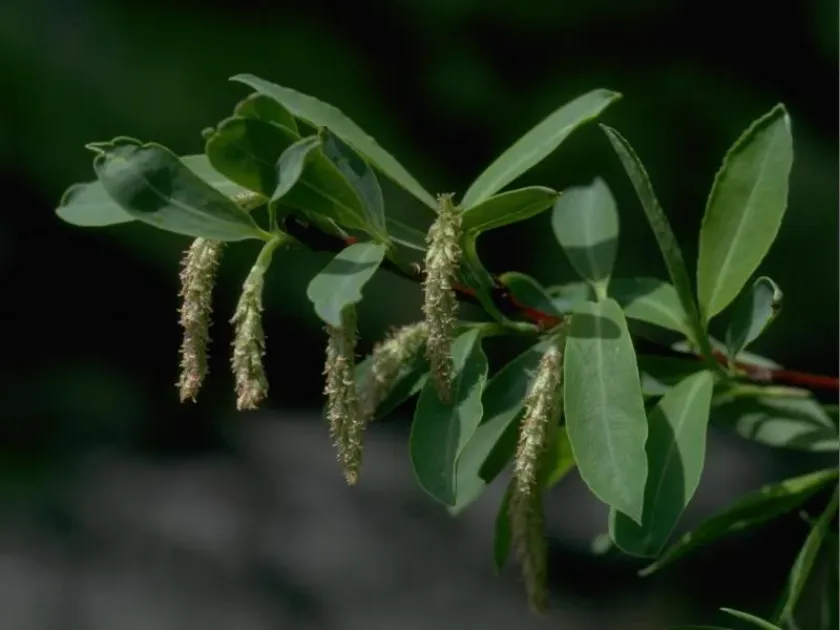
Description
Growing requirements
Salix arbutifolia, commonly known as the Arbutus-leaf willow, is a distinct species within the Salicaceae family, recognized for its specific botanical traits and regional adaptation.
Originally from the Far East, this shrub thrives in cool, humid environments and exhibits significant tolerance to low temperatures during the dormant winter period.
The plant demands well-drained soil with a slightly acidic to neutral pH, ensuring that root systems are kept moist without being permanently waterlogged.
Sun exposure is essential for the healthy development of its characteristic leaves; therefore, selecting a location with full sunlight is recommended for optimal performance.
Agrotechnical maintenance includes regular watering during the first years after planting and the use of mulch to maintain a stable soil temperature and moisture level.
Main diseases and pests
This willow variety is susceptible to various fungal pathogens, with powdery mildew and rust being the most frequent issues in humid climate conditions.
Pest populations such as aphids and leaf beetles can cause significant damage to foliage, potentially leading to decreased vigor and ornamental appeal of the shrub.
Integrated pest management strategies should include regular inspection of the undersides of leaves and the application of appropriate treatments when populations exceed thresholds.
Sanitation practices, including the removal of dead or decaying wood, are vital to preventing the spread of diseases within the plant community.
Proper spacing between individuals is crucial for improving air circulation, which helps reduce the humidity levels that often foster fungal spore germination.