
Large-leaved willow
Salix appendiculata
Description
Growing requirements
The large-leaved willow (Salix appendiculata) belongs to the Salicaceae family. It is a robust shrub or small tree, naturally native to the mountainous regions of Europe, including the Alps and Carpathian range.
This species thrives in moist, well-drained loamy soils and is frequently found along riverbanks or in humid mountainous meadows, demonstrating a high affinity for water availability.
Regarding climatic requirements, the plant is well-adapted to cooler climates and high-altitude environments, showing excellent winter hardiness and resilience to sharp temperature changes.
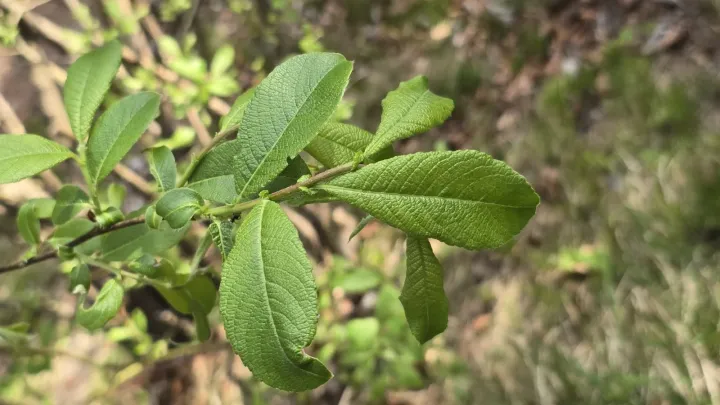
The botanical structure is characterized by distinct, broad leaves with prominent stipules, which distinguish this species from other common willow varieties in the field.
Economically, it is valued for soil stabilization in erosion-prone areas, landscape architecture, and its potential use in sustainable biomass production due to its vigorous growth habit.
Main diseases and pests
Common fungal diseases affecting this species include rusts (Melampsora spp.) and leaf spots, which thrive during periods of extended rainfall or inadequate air circulation within the shrub canopy.
Pest pressure often comes from leaf beetles (Chrysomelidae) and various species of sawflies, which can cause significant defoliation if left unchecked during the growing season.
Integrated pest management strategies involve regular monitoring and the use of resistant cultivars, as well as maintaining proper spacing between plants to reduce humidity.
Preventive maintenance includes the prompt removal of dead or infected branches to curb the spread of pathogens throughout the grove or plantation area.
During intense outbreaks, targeted chemical interventions may be necessary to protect the foliage and ensure the long-term vitality of the woody biomass.