
Salix apoda
Salix apoda
Description
Growing requirements
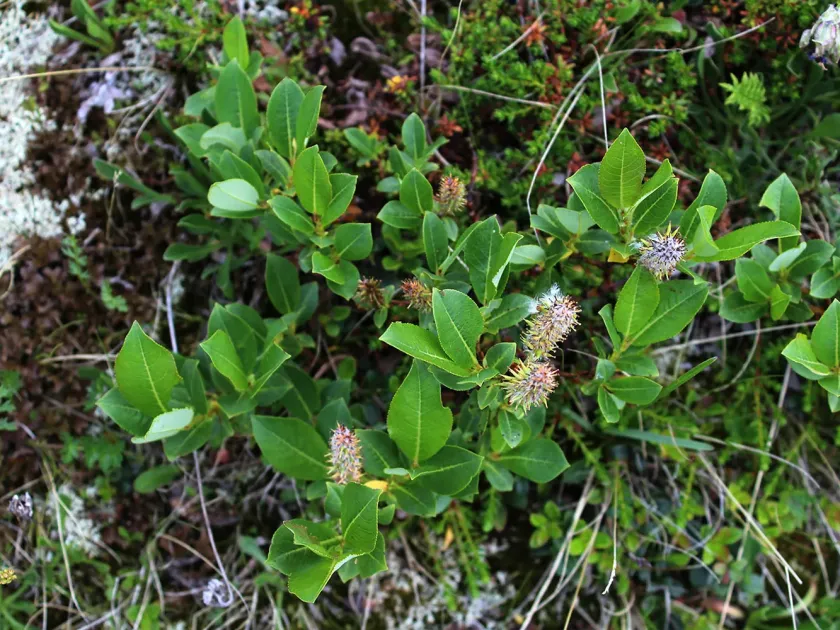
Salix apoda, commonly known as the dwarf willow or footless willow, belongs to the Salicaceae family. Native to the high-altitude regions of the Caucasus, this shrub is perfectly adapted to alpine environments and rocky slopes, where it forms dense, low-growing mats.
The botanical structure of this species is characterized by its prostrate habit, where woody stems creep along the ground. This makes it an ideal candidate for rock gardens, ground cover in landscape design, and preventing soil erosion on sloping areas of the garden.
Regarding climatic requirements, Salix apoda thrives in cool, humid conditions with sufficient sunlight. It requires an open location to ensure it maintains its compact shape, as low light levels can cause the plant to become leggy and lose its architectural appeal.
Soil quality is paramount for successful cultivation. It prefers well-draining, slightly moist, and fertile soils with a neutral or slightly acidic pH. Incorporating organic matter during planting provides the necessary nutrients for the slow-growing branches to expand effectively.
Maintenance involves routine watering during prolonged dry spells and an annual pruning in early spring. Removing deadwood keeps the plant vigorous, while mulching with gravel or organic chips helps maintain soil moisture and mimics the natural alpine conditions of its origin.
Main diseases and pests
Like many willow species, Salix apoda is susceptible to fungal infections such as powdery mildew, especially if the air circulation around the dense mats is restricted. Proper spacing between plants is essential to minimize the humidity build-up that encourages fungal spores.
Pests such as aphids and leaf-eating beetles can occasionally attack the foliage. Early detection through regular monitoring allows for the targeted application of insecticides or natural predators, preserving the plant's aesthetic value throughout the growing season.
Root rot is a critical threat that usually stems from waterlogged soils. Ensuring that the planting site has excellent drainage is the most effective preventative measure against this deadly condition, which often goes unnoticed until the plant begins to wilt.
Anthracnose can also affect the stems, leading to necrosis and stunted growth. It is important to remove any diseased stems promptly and dispose of them away from the garden to prevent the spread of the pathogen to other parts of the plant.
Environmental stress, particularly from extreme heat combined with drought, can weaken the plant's resistance, making it more prone to infestations. Maintaining a consistent moisture level and protecting the root zone with mulch are vital strategies for long-term health.