
Apennine willow
Salix apennina
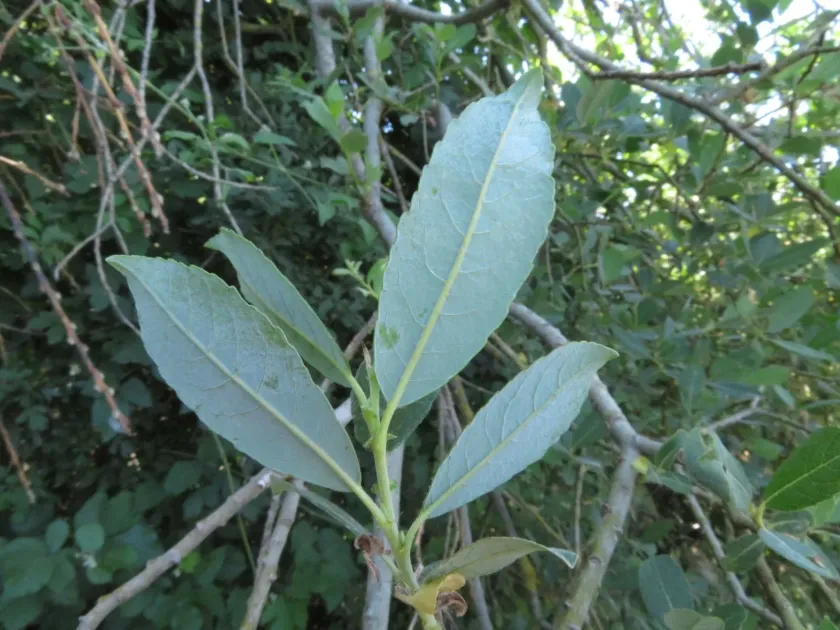
Description
Sowing dates
Planting of the Apennine willow (Salix apennina) is most successful during the spring season when the soil has thawed and maintains adequate moisture levels.
The most common and effective method of propagation is by hardwood cuttings, which exhibit a high survival rate under proper soil moisture conditions.
Container-grown saplings can be planted throughout the entire growing season, provided that irrigation is consistent during the establishment phase.
Proper spacing is crucial for the development of the crown; a distance of at least 2 to 3 meters between individual plants is highly recommended.
Incorporating organic matter into the planting pit helps to facilitate root development and provides initial nutrients for the young willow plant.
Growing requirements
The Apennine willow is a member of the Salicaceae family, naturally occurring in the mountainous regions of Italy and parts of Central Europe.
The species requires moist soil conditions but thrives best in well-drained environments, making drainage management essential on heavy clay soils.
This willow prefers sunny locations, as exposure to full sunlight ensures the development of its characteristic foliage and compact shrub form.
Soil pH preference ranges from slightly acidic to neutral, which mimics the natural rocky soil conditions of its original mountainous habitat.
Regular fertilization with nitrogen-based products during the active growing season promotes vigorous branch growth and increases the overall health of the shrub.
Main diseases and pests
The plant is susceptible to fungal diseases such as leaf rust and various leaf spot pathogens, which typically proliferate in humid, stagnant air conditions.
Common insect pests include willow leaf beetles, which can cause significant defoliation and aesthetic damage to the shrub during the summer months.
Effective pest management involves the use of systemic insecticides, especially during the early stages of infestation to prevent mass population growth.
Preventive maintenance, including the timely removal of diseased or dead branches, is essential to minimize the risk of spreading fungal infections.
Springtime application of copper-based fungicides serves as a reliable preventive measure against many common willow diseases in home and commercial landscapes.