
Peach-leaf willow
Salix amygdaloides
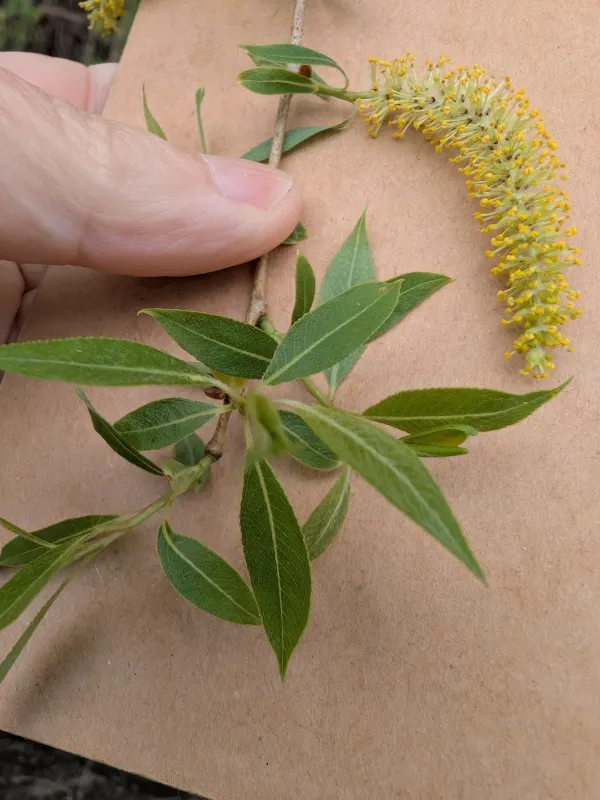
Description
Growing requirements
The peach-leaf willow (Salix amygdaloides) is a member of the Salicaceae family. It is native to North America, typically found in moist environments such as riverbanks, floodplains, and near various water bodies.
This species requires deep, moist, and well-drained soils to thrive. It shows a high tolerance for silty or loamy textures and performs exceptionally well in sites with high groundwater tables.
As a light-demanding species, the peach-leaf willow requires full sun for optimal growth. Providing adequate sunlight ensures vigorous development of the canopy and rapid accumulation of biomass.
The tree is well-adapted to varied climatic conditions, exhibiting strong cold hardiness and the ability to survive seasonal flooding. It is an excellent choice for areas with fluctuating moisture levels.
Agrotechnical practices involve planting dormant cuttings during early spring. Establishing the crop in moist, prepared seedbeds is critical for initial survival and long-term vitality.
Yield
The primary use for Salix amygdaloides is the production of renewable woody biomass. It is highly valued in bioenergy sectors for creating wood chips and various solid biofuels.
Beyond energy, the willow serves as an effective tool for erosion control. Its expansive root system stabilizes riverbanks and prevents soil loss, contributing significantly to landscape management.
In terms of wood usage, the species contributes to the production of pulp, fiberboard, and light timber. Its ability to coppice—regrowing from stumps—makes it a highly sustainable agricultural crop.
The peach-leaf willow also plays a vital role in phytoremediation projects, as it can absorb nutrients and pollutants from the soil, helping to purify local ecosystems.
Harvest cycles are usually planned every 3 to 5 years. This approach allows the tree to recover quickly while producing a consistent and high-quality yield of stems suitable for industrial processing.
Main diseases and pests
Rust diseases caused by various fungi remain the most common threat to peach-leaf willow health. These pathogens manifest as colored lesions on foliage, which can diminish photosynthetic capacity.
Cankers resulting from fungal infections can affect the bark and stems, particularly in stands where tree density is too high or environmental stress is present.
Insect pests, including the willow leaf beetle, can cause significant defoliation. Regular monitoring is essential to detect early infestations and prevent mass reproduction of these insects.
Borers and scale insects may also pose risks to the tree trunk, affecting the structural integrity and long-term lifespan of the plantation if left unchecked.
Strategic management, including sanitation pruning, selecting resilient genetic material, and maintaining proper plant spacing, serves as the primary defense against major pests and diseases.