
Salix ambigua
Salix ambigua
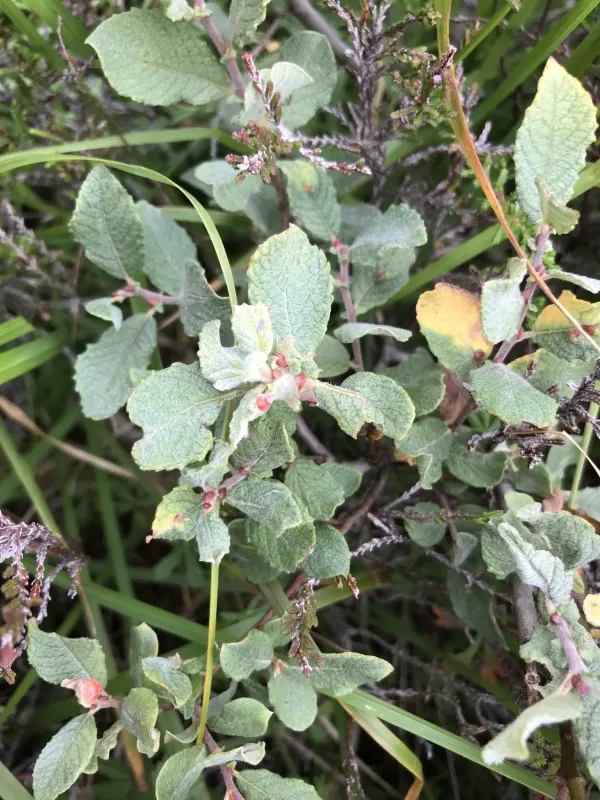
Description
Growing requirements
Salix ambigua is a notable member of the Salicaceae family. Recognized as a natural hybrid, this shrub is valued for its unique morphology and ability to thrive in diverse ecological niches across Europe.
The plant demonstrates a strong preference for moist but well-drained soils. While it can withstand periods of temporary waterlogging, maintaining consistent soil moisture is essential for optimal development of its root system.
Regarding soil conditions, Salix ambigua thrives in sandy or loamy soils. It displays high adaptability, but prefers slightly acidic to neutral pH levels to ensure maximum nutrient uptake for vigorous vegetative growth.
Climate requirements for this species include adequate sunlight and protection from extreme, long-term drought. It is winter-hardy, making it suitable for various temperate regions where seasonal changes occur predictably.
Its primary agricultural and landscape uses involve soil stabilization and erosion control. Due to its sprawling habit, it is frequently utilized in restoration projects and as a decorative ground cover in environmental landscaping.
Main diseases and pests
The health of Salix ambigua can be compromised by various fungal pathogens, most notably willow rust and scab. These diseases impact the photosynthetic capacity of the foliage and can lead to severe stress.
Pest pressures are primarily caused by willow leaf beetles and various sawfly species. These insects feed on the leaf tissues, which if left unchecked, leads to significant reduction in plant vitality and decorative appeal.
Early detection through regular field monitoring is the most effective strategy for managing these threats. Pruning out infected wood and removing debris helps reduce the reservoir of spores and overwintering pest sites.
Environmental conditions such as poor air circulation significantly increase susceptibility to pathogens. Planting density should be strictly managed to allow for adequate airflow throughout the shrub canopy.
Integrated pest management (IPM) techniques, including the use of targeted biological controls and safe chemical applications, are recommended when infestations exceed economic threshold levels.