
Foxtail willow
Salix alopecuroides
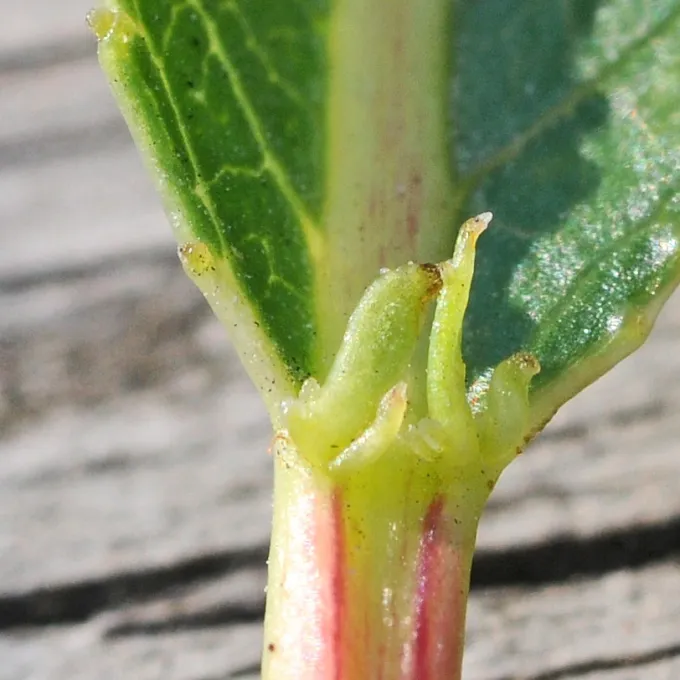
Description
Growing requirements
The foxtail willow (Salix alopecuroides) is a member of the Salicaceae family. Originating from East Asia, this woody plant species is naturally found in riparian zones and humid environments, where it thrives under conditions of moderate climate and ample light.
Botanically, this willow is characterized by dense, soft pubescence on its young shoots and foliage, giving the plant a distinct silvery appearance. It typically grows as a dense shrub or a small tree, exhibiting high resilience to temperature fluctuations typical of its native range.
For successful cultivation, the plant requires moist, fertile, and well-drained soil. It is highly sensitive to waterlogged conditions, which can quickly lead to root rot; therefore, selecting a site with proper drainage is the most critical step in its establishment.
Salix alopecuroides is an obligate heliophyte, meaning it requires full sun exposure for optimal physiological performance. When grown in shaded environments, the plant loses its vigor, develops leggy shoots, and its foliage density decreases significantly.
The cultural maintenance of the foxtail willow includes regular watering during the first growing seasons and consistent pruning. Pruning is essential to maintain the desired structure and to promote the growth of fresh, healthy shoots, especially in commercial applications.
Main diseases and pests
The primary pests affecting Salix alopecuroides are leaf beetles and willow sawflies. These insects feed on the leaves and, if left unmanaged, can cause substantial defoliation, weakening the plant's ability to photosynthesize effectively.
Fungal diseases, particularly leaf rusts and scab, represent a major threat, especially during damp seasons. Improving air circulation around the plants through correct spacing is a fundamental practice to reduce humidity levels within the canopy.
Integrated pest management suggests that timely removal of dead branches and fallen leaves prevents the overwintering of pathogens. Keeping the planting area clean is a simple yet effective strategy to maintain the long-term health of the willow plantation.
Chemical control using copper-based fungicides is recommended during the early spring period. Applying these treatments prior to leaf emergence significantly lowers the initial inoculum load of fungal spores in the orchard or nursery setting.
Rodents such as voles may cause damage to the bark of young plants during winter. Utilizing protective tree guards or mulch-free zones around the base helps prevent direct damage to the trunk, ensuring the survival of the saplings through cold periods.