
Salix aegyptiaca
Salix aegyptiaca
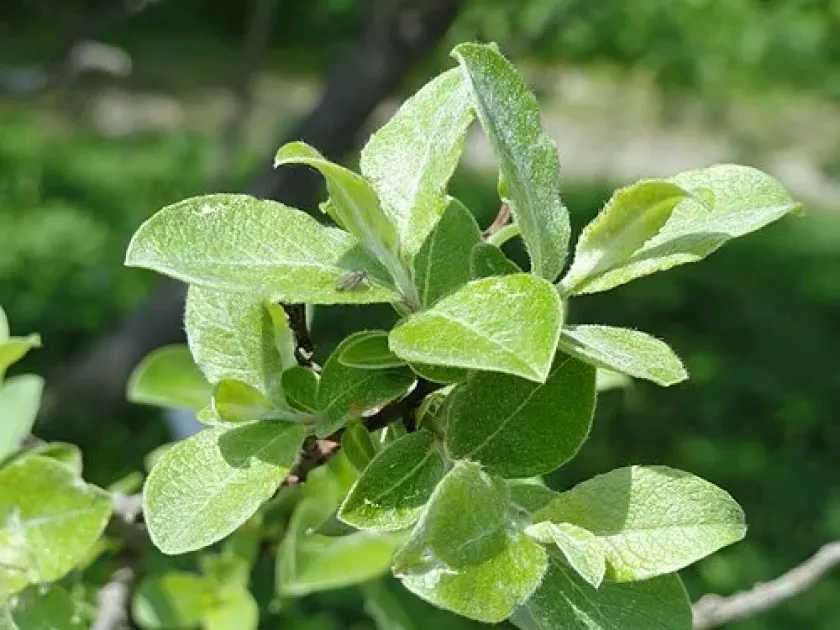
Description
Growing requirements
Salix aegyptiaca, commonly known as the musk willow, belongs to the Salicaceae family. It is a robust deciduous shrub or small tree that is highly valued for its aromatic floral catkins.
The species is native to Western Asia, particularly across regions in Iran, Iraq, and the Caucasus. It naturally thrives in riparian habitats, along riverbanks, and in mountainous terrains with ample moisture.
The plant prefers fertile, well-drained, and loamy soils. While it exhibits a preference for moist environments, it does not tolerate stagnant water, which can lead to root rot in the winter season.
Regarding climate, Salix aegyptiaca requires a temperate environment with sufficient rainfall. It thrives in full sun but can tolerate partial shade, which may be beneficial in extremely hot summer climates.
Agricultural management involves routine pruning to maintain shape and promote the development of new, healthy flowering shoots. Annual applications of compost or balanced fertilizers support vigorous seasonal growth.
Main diseases and pests
Willow beetles and aphids are among the most common pests that affect foliage. If infestations become severe, they can reduce the plant's overall vigor and the quality of the aesthetic catkins.
Fungal pathogens such as willow rust and scab can cause significant damage to leaves and stems. Maintaining good air circulation and cleaning debris under the canopy are essential preventive measures.
Stem borers pose a serious threat to the structural integrity of mature trees. Regular inspections of the trunk and branches are necessary to identify entrance holes and manage the pest population.
Frost damage during the early spring bloom can significantly affect the harvest of catkins. Strategic planting in sheltered areas can mitigate the risks associated with unexpected cold snaps.
Waterlogging remains a critical risk factor. Excessive soil moisture during dormancy periods often promotes anaerobic conditions, which are detrimental to the long-term health of the willow root system.
Harvesting
The primary economic value of the musk willow lies in its large, fragrant catkins. Harvest occurs in early spring, precisely when the flowers reach their peak, allowing for the extraction of aromatic oils.
In traditional practices, the catkins are distilled to produce a floral water commonly called 'bed-e-moshk'. This fragrant water is used extensively in confectionery, beverages, and traditional herbal medicine.
The bark of Salix aegyptiaca is harvested during the sap-flow period. It contains compounds that are valued for their mild analgesic and anti-inflammatory properties when prepared as a decoction.
Besides its medicinal and culinary uses, the plant is a staple in landscape design. Its ability to stabilize soil along pond edges and rivers makes it a functional choice for ecological land management.
The flexible shoots are also used in basketry and craft-making. Harvesting of these shoots is best done in late winter or early spring before the buds break dormancy, ensuring maximum material quality.