
Balsam poplar
Populus tacamahaca x P. aigeiros
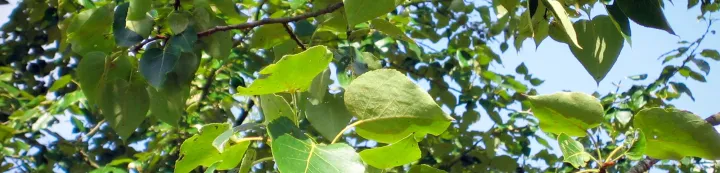
Description
Growing requirements
Balsam poplar (Populus tacamahaca × P. aigeiros) is a significant forestry hybrid belonging to the Salicaceae family. Known for its rapid growth rate, it is highly valued for commercial plantations aimed at rapid biomass production and soil stabilization in forestry projects.
The culture thrives in deep, moist, and nutrient-rich soils, preferably alluvial sediments. It exhibits excellent cold hardiness, making it a reliable species for reforestation in northern temperate regions where other hardwoods might struggle during extreme winter conditions.
Climatic requirements focus on light availability. As a light-demanding species, balsam poplar requires open sites with full sun exposure to maximize photosynthetic efficiency. While it tolerates a variety of moisture levels, it performs best when water is accessible but not stagnant.
Agrotechnical management includes soil preparation through deep plowing to improve aeration and moisture infiltration. Planting is typically done with healthy saplings. During the first three years, intensive weed control is essential to ensure that the young trees remain competitive.
In terms of хозяйственное usage, the species is widely cultivated for the pulp and paper industry, veneer manufacturing, and high-quality crating material. Furthermore, it serves as a critical component in shelterbelts and environmental restoration due to its high carbon sequestration rate.
Main diseases and pests
Fungal pathogens such as Cytospora canker represent a major risk to balsam poplar. These infections typically gain entry through physical wounds or cracks in the bark, particularly on trees stressed by drought or poor site selection, leading to limb dieback or trunk decay.
Insects like the cottonwood leaf beetle are primary defoliators that can significantly damage the canopy. Severe infestations lead to reduced annual growth increments and, in extreme cases, can leave the trees vulnerable to secondary attacks by wood-boring pests.
The poplar moth and various aphids are also common pests that damage foliage and succulent shoots. Monitoring programs are necessary to detect early signs of insect outbreaks, allowing for timely intervention before the health of the entire plantation is compromised.
Chemical control is often avoided in favor of integrated pest management strategies, such as promoting natural predators and maintaining tree health through proper nutrition and thinning practices. Early detection remains the most effective tool in managing these biological threats.
Silvicultural sanitation, including the prompt removal of infected or damaged timber, is crucial for preventing the spread of diseases. A well-managed plantation with diverse spacing can naturally mitigate the impacts of localized pest outbreaks over time.