
Korean poplar
Populus suaveolens Fisch.
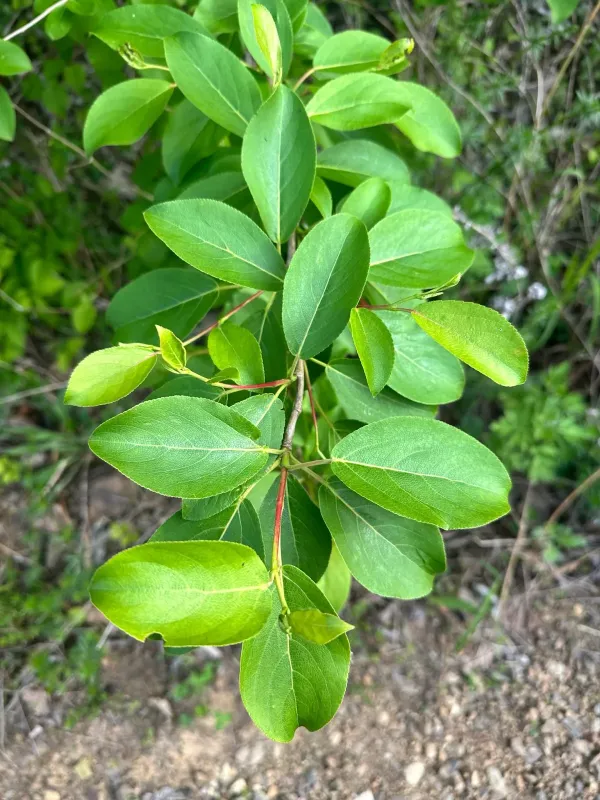
Description
Sowing dates
Korean poplar is primarily propagated through hardwood cuttings taken during the dormant season, which ensures high rooting success rates.
Planting of these cuttings is best performed in early spring as soon as the soil has thawed but before the buds have begun to break open.
Seeds are another method of propagation, though they require immediate sowing after ripening in late spring due to their very short viability period.
Nursery management involves maintaining consistent soil moisture and controlling weeds to ensure that young saplings develop a robust root system.
Spacing during plantation establishment typically ranges from 2x3 to 3x4 meters to balance tree growth and ensure uniform wood quality.
Growing requirements
Korean poplar (Populus suaveolens) is a member of the Salicaceae family, recognized for its exceptional hardiness in cold climates.
The tree originates from East Asia, including parts of Siberia and Mongolia, where it thrives in diverse and often harsh environmental conditions.
It prefers moist, fertile soils and is frequently found in river valleys and floodplains where it can access groundwater throughout the growing season.
This species is strictly photophilous, requiring full sunlight exposure to maintain its rapid growth rate and develop a healthy, symmetric crown structure.
While tolerant of various soil types, the best results in terms of wood production are achieved on loamy or sandy soils with neutral acidity levels.
Yield
As one of the fastest-growing woody species in its native range, Korean poplar offers significant advantages for industrial forestry and rapid biomass production.
The timber produced is lightweight and versatile, widely used in plywood manufacturing, pulp production, and the creation of various wooden packaging materials.
Beyond wood production, the species plays a vital role in land restoration, soil erosion control, and the establishment of effective windbreaks on farmland.
The tree's capacity for rapid sequestration of carbon makes it a valuable asset in modern agroforestry projects aimed at mitigating environmental impacts.
Sustainable harvesting cycles for these plantations allow for efficient resource management, providing continuous supply to the woodworking industry.
Main diseases and pests
Korean poplar can be affected by various fungal pathogens, such as rusts and leaf spots, which can impede growth if conditions are too humid or stagnant.
Insect pests, including various leaf beetles and wood-boring insects, represent a potential threat to the structural integrity and aesthetic value of the trees.
Root rots may develop in poorly drained or waterlogged soils, necessitating proper site selection and soil preparation before planting operations commence.
Integrated pest management strategies are recommended, focusing on maintaining tree health through proper density and regular sanitary inspections.
In cases of significant infestation, targeted chemical applications may be necessary, although mechanical removal of infected parts is generally preferred.