
Maximowicz poplar
Populus maximowiczii x Populus trichocarpa
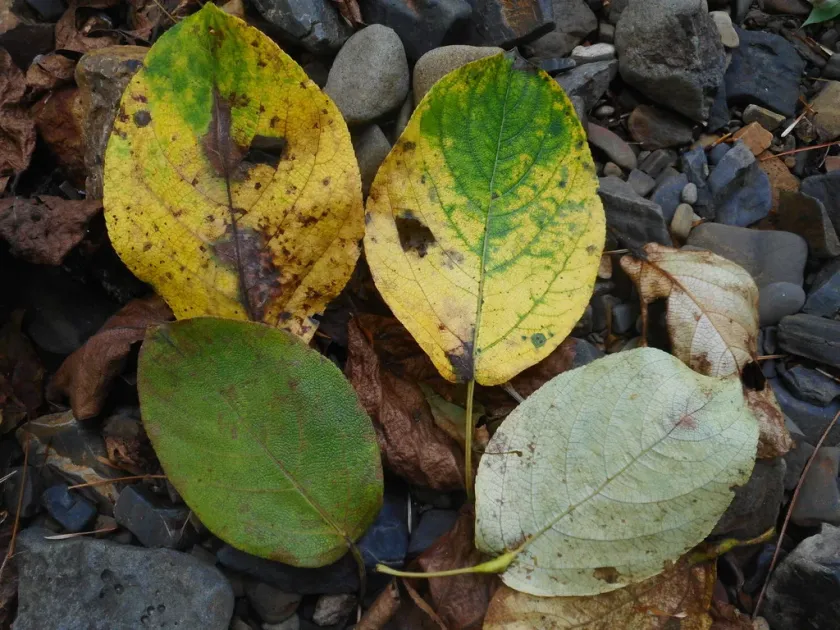
Description
Growing requirements
The Maximowicz poplar (Populus maximowiczii x Populus trichocarpa) is a significant hybrid species belonging to the Salicaceae family. It is highly valued for its vigorous growth rate and potential for large-scale timber production.
This culture thrives in deep, fertile, and moist soils. It requires consistent water availability but also demands well-drained conditions to prevent root rot during periods of excessive rainfall.
The species is well-adapted to temperate climates and demonstrates excellent hardiness against low winter temperatures. It is an obligate heliophyte, meaning it requires full sun exposure for optimal development.
Agricultural practices for this hybrid involve careful site preparation and the use of healthy, vigorous cuttings. Proper spacing between trees is crucial to maximize individual growth and ensure airflow within the plantation.
The timber is widely used in the paper, pulp, and plywood industries due to its light weight and uniform texture. It also serves as a fast-growing option for reforestation and windbreak projects.
Main diseases and pests
Poplar plantations are prone to various fungal diseases, such as leaf rust and stem canker (Cytospora), which can lead to significant reductions in wood quality and overall growth.
Insect pests, including various species of leaf-eating beetles and caterpillars, can cause extensive defoliation, which hampers the tree's ability to store energy for the following season.
Stem-boring insects present a specific challenge, as their tunneling activity degrades the structural integrity of the wood, making it less suitable for high-quality commercial timber applications.
Integrated pest management, including regular inspections and the selection of genetically resistant clones, is essential for maintaining the health of the commercial woodlot.
Sanitation cutting is the primary method for dealing with infected trees; removing symptomatic plants promptly prevents the spread of pathogens throughout the entire plantation.
Harvesting
The harvesting of Maximowicz poplar typically occurs in a rotation cycle, which is generally between 10 and 20 years depending on the intended commercial use of the timber.
Modern forestry relies on mechanical harvesters for efficient felling, which reduces manual labor costs and increases the speed of biomass extraction from the site.
A notable feature of this species is its ability to regenerate from the stump after harvest, allowing for coppice management systems that reduce the need for replanting.
Harvesting timing is dictated by the specific industrial needs, such as pulpwood production where smaller diameter logs are acceptable or high-value timber for veneer.
Efficient post-harvest logistics ensure that the harvested logs are transported to processing facilities promptly, preventing the onset of biological decay in the harvested timber.