
Eastern cottonwood
Populus deltoides W. Bartram ex Marshall
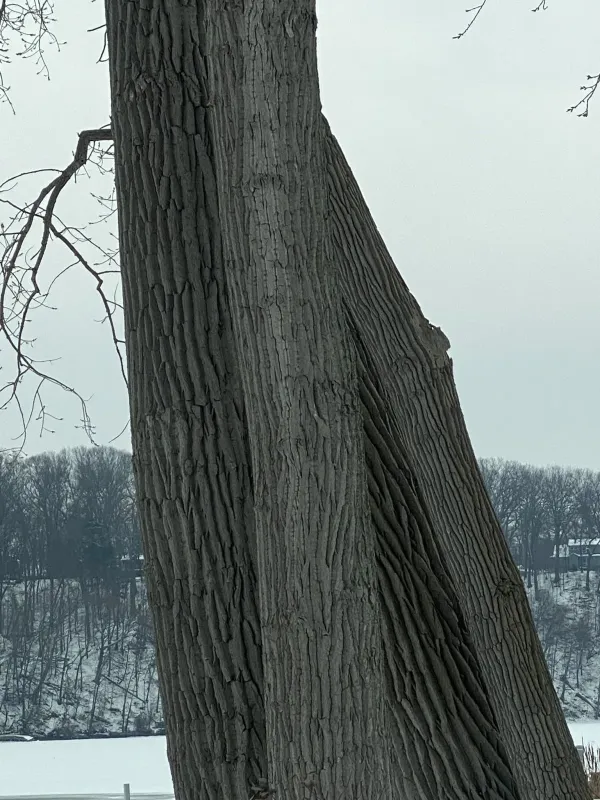
Description
Sowing dates
Eastern cottonwood is typically propagated vegetatively using dormant hardwood cuttings or nursery-grown seedlings. The optimal time for establishing plantations is early spring, before the buds break, ensuring the soil is moist and has begun to warm up.
If seeds are used, they must be sown immediately after collection, as their viability decreases rapidly over a few days. In large-scale operations, seeds are spread over prepared, finely textured beds that are kept consistently moist to ensure uniform germination.
The planting density depends on the specific end-use of the timber. Dense spacing is often used for biomass or pulpwood production, whereas wider spacing is preferred when the objective is to produce high-quality sawlogs over a longer rotation period.
Site preparation involves deep plowing or ripping up to 40 cm to improve soil aeration and remove competing vegetation. On poorer sites, adding organic matter or fertilizers during planting can significantly improve initial survival and growth rates.
Post-planting care includes immediate irrigation to ensure good soil-to-root contact. Mulching the area around the base of the plant helps maintain soil moisture and reduces competition from grasses during the critical establishment phase.
Growing requirements
Eastern cottonwood, a member of the Salicaceae family, is a highly heliophilous species that requires full sun exposure for optimal development. Shade leads to reduced growth rates and makes the trees more susceptible to environmental stress.
The species thrives in deep, fertile, and moist soils, particularly the alluvial soils found in river valleys. While it is water-tolerant, it requires good soil drainage; it does not perform well in stagnant, waterlogged areas where roots can suffocate.
Climatic requirements involve a moderate growing season with adequate rainfall. While it has significant ecological plasticity, it can be sensitive to late spring frosts which may damage tender young foliage and shoots in the early stages of development.
Cultural management in the first three years should focus on controlling weeds in the rows and inter-rows to eliminate competition for nutrients and moisture. Nitrogen fertilization is often beneficial to boost growth in the first few years of the plantation.
In arid climates or periods of drought, supplemental irrigation is essential for maintaining high growth rates. Water stress can lead to reduced biomass production and increase the tree's susceptibility to various secondary pests and diseases.
Yield
Populus deltoides is recognized as one of the fastest-growing tree species in temperate regions. Under optimal conditions, annual height growth can exceed 1.5 to 2 meters, especially during the first decade of the tree's life cycle.
Productivity in well-managed plantations can reach 20–30 cubic meters of wood per hectare annually. This high yield makes it a valuable crop for the pulp and paper industry, as well as for plywood and oriented strand board (OSB) production.
The standard rotation for a cottonwood plantation ranges from 15 to 25 years. Because of its ability to sprout from the stump after harvesting, it allows for multiple cycles of regrowth, reducing the need for replanting the site immediately.
To ensure maximum yields of quality timber, foresters conduct regular thinning operations to remove suppressed, diseased, or poorly formed trees. This allows the remaining trees to utilize resources more efficiently and grow to a larger diameter.
The quality of the wood is strongly correlated with consistent nutrient availability and moisture levels. Trees grown on poor sites tend to produce less dense wood, which may have limited utility for high-grade structural or furniture applications.
Main diseases and pests
Bacterial canker is one of the most serious diseases affecting Eastern cottonwood, causing lesions and necrosis of the bark and wood. Severe infections can lead to branch dieback and significantly reduce the structural integrity and aesthetic value of the trunk.
Fungal diseases, including leaf rust and various leaf spots, are also common. While they may not kill the tree, they cause premature defoliation, which reduces the tree's photosynthetic capacity and slows overall growth rates throughout the season.
Insect pests, such as the cottonwood leaf beetle, can cause significant damage by defoliating the tree. Repeated attacks weaken the tree's health, making it more vulnerable to secondary infestations by wood-boring insects.
Wood-boring insects represent a major threat to timber quality, as their galleries penetrate deep into the wood. Managing these pests is difficult and usually relies on maintaining healthy, vigorous stands that can defend themselves naturally.
Effective management includes selecting disease-resistant clones and ensuring that plantations are not overstocked. Proper sanitation, including the prompt removal of heavily infested or infected trees, helps minimize the spread of pathogens across the site.