
Balsam poplar
Populus balsamifera L.
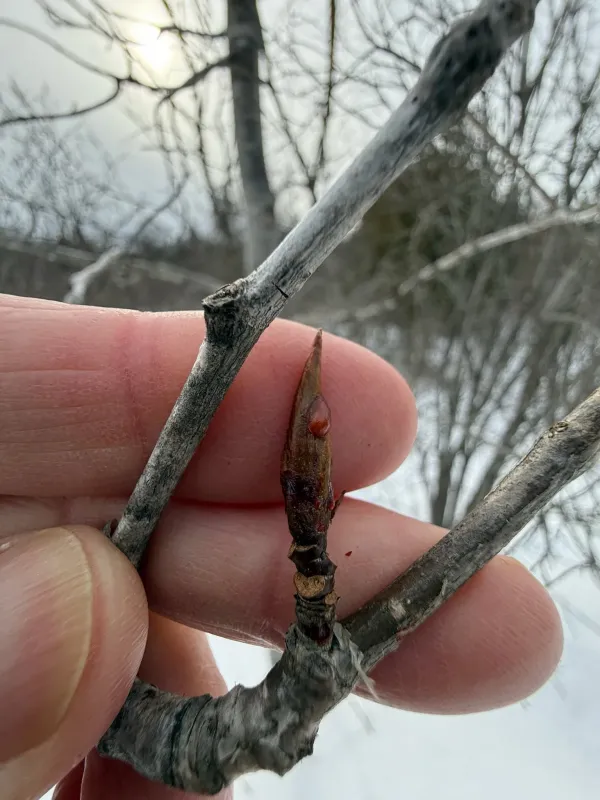
Description
Growing requirements
The balsam poplar (Populus balsamifera L.) belongs to the Salicaceae family. It is a rapid-growing deciduous tree, widely recognized for the balsamic scent emitted by its buds and young leaves during the early spring growth period.
Native to North America, the species has been introduced across various temperate regions due to its remarkable adaptability. It is highly valued for its extreme cold hardiness, making it suitable for reforestation and landscaping in harsh climates.
Balsam poplar thrives in deep, fertile, and moist soil types. It performs best in alluvial soils but can establish itself in a variety of loam and sandy loam textures, provided there is adequate moisture availability and good drainage throughout the growing season.
Agrotechnical management involves ensuring high sunlight exposure, as this species is intolerant of shade. During the early development stages, controlling competing weeds and maintaining consistent soil moisture are critical steps to promote rapid canopy establishment.
Its economic importance covers a wide range of applications, including the creation of windbreaks, shelterbelts, and urban forestry. Furthermore, the wood is utilized in the pulp and paper industry, while its buds contain resins with significant pharmaceutical value.
Main diseases and pests
The species is susceptible to various fungal pathogens, most notably Cytospora canker, which causes branch dieback and trunk lesions. These infections often enter through frost cracks or mechanical injuries, particularly in trees growing in stressful conditions.
Insect pests such as leaf beetles and various species of leaf-mining moths can cause severe defoliation. A heavy infestation often leads to reduced photosynthetic capacity, weakening the tree's vigor and potentially leading to mortality in vulnerable specimens.
Effective management includes sanitary pruning of infected branches to prevent the spread of spores. Regular scouting of plantations allows for early detection, which is essential for the success of localized chemical control measures using systemic fungicides.
Maintaining proper spacing in nurseries and plantations is a fundamental preventive measure. Reducing density improves airflow and lowers the relative humidity within the canopy, which effectively discourages the establishment of fungal spores.
Integrated pest management, combining sound silvicultural practices with timely monitoring, is the best strategy to keep balsam poplar stands healthy. Consistent nutrition and adequate water supply ensure the tree remains vigorous enough to resist common biological threats.