
Black poplar
Populus nigra L.
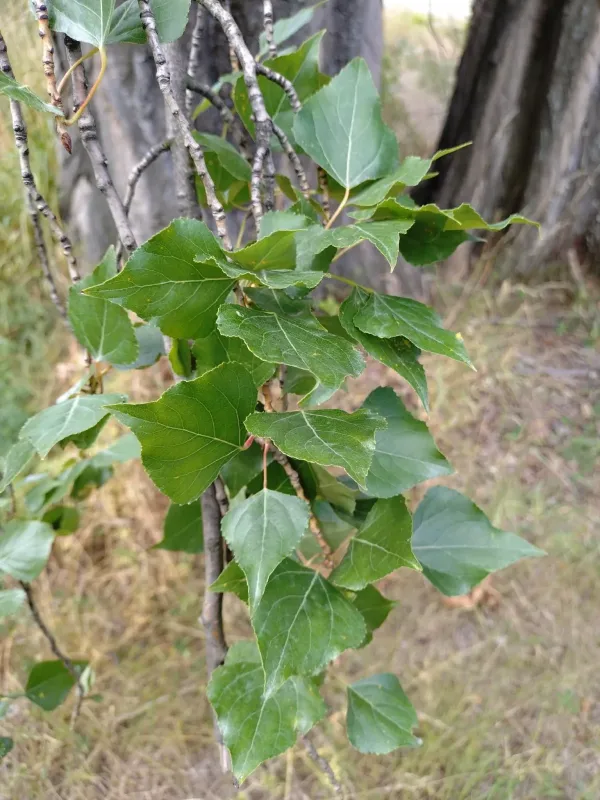
Description
Growing requirements
Black poplar (Populus nigra) is a fast-growing species within the Salicaceae family, native to Europe, Western Asia, and North Africa. It is a dominant pioneer species that plays a critical role in riparian ecosystems and commercial timber production.
The culture thrives in fertile, deep, and moist soils. While it can adapt to various soil types, it performs best in alluvial soils that provide consistent water availability without waterlogging, as the species is sensitive to poor soil aeration.
High solar radiation is a fundamental requirement for the optimal development of this tree. It is an intolerant species that requires open areas to reach its full potential, making it unsuitable for understory planting or dense, mixed-species forest restoration.
The species exhibits high tolerance to cold climates, making it adaptable to northern temperate regions. In agricultural or forestry contexts, adequate irrigation is essential during the establishment phase to ensure high survival rates of the saplings.
Economically, black poplar is highly valued for its lightweight and workable wood, utilized in the production of plywood, pallets, and paper pulp. Furthermore, it is extensively used in shelterbelts to protect crops from wind erosion and improve soil moisture retention.
Main diseases and pests
Rust diseases, caused by Melampsora species, are the most prevalent fungal infections affecting black poplar plantations. These infections cause premature leaf drop, which significantly reduces the tree's overall biomass accumulation and annual growth rates.
Bacterial canker (Xanthomonas populi) poses a significant risk to tree health, causing deformities and weakening the stem structure. Implementing strict phytosanitary measures and selecting resistant clones are key strategies to mitigate the impact of this disease.
The poplar leaf beetle is a major insect pest that can cause widespread defoliation in young plantations. Integrated pest management, including the use of pheromone traps and selective insecticides, is necessary to control population outbreaks effectively.
Wood-boring insects, such as clearwing moths, compromise the structural integrity of the timber. Regular monitoring for exit holes and ensuring the trees are not stressed by environmental factors are crucial for maintaining a healthy and productive stand.
Mammalian pests, particularly deer and rodents, frequently damage the bark and root systems of young trees. Protective measures like fencing or mesh guards are standard practices to ensure the successful establishment of the forest crop.