
Laurel-leaf poplar
Populus laurifolia Ledeb.
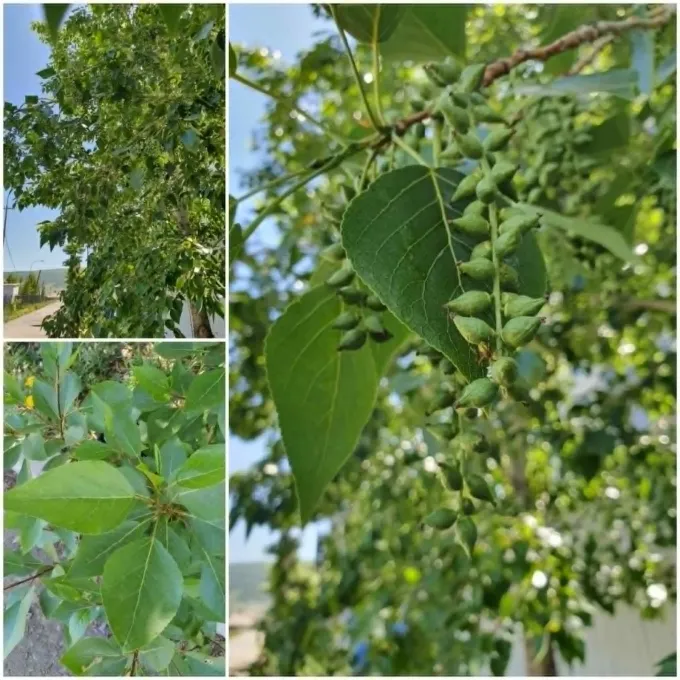
Description
Growing requirements
The laurel-leaf poplar is a deciduous tree belonging to the Salicaceae family, recognized for its distinct lanceolate leaves and rapid growth rate. It is native to the river valleys of Siberia, Mongolia, and Northern China, showcasing exceptional adaptation to cold climates.
This species requires full sun exposure to maintain its characteristic upright growth habit and dense crown. It is a highly valued plant for reforestation projects and environmental stabilization in northern regions due to its significant cold tolerance.
In terms of soil, the laurel-leaf poplar performs best in moist, deep, and fertile loamy or alluvial soils. While it tolerates periodic flooding, long-term waterlogging can be detrimental to the health of its root system.
Cultivation practices involve proper spacing during planting to allow for sufficient air circulation and light penetration, which is vital for preventing crown congestion and secondary infections.
Economically, the species is widely used for pulpwood production, biomass generation, and as an ornamental choice in urban landscaping, where its structural elegance adds value to parklands and streets.
Main diseases and pests
Common pathological threats include rust and various fungal leaf spot diseases, which typically emerge during periods of prolonged high humidity and poor ventilation.
Pest pressures are primarily caused by aphids, leaf miners, and wood-boring insects, which can weaken the tree's structure if infestations remain unmanaged over several seasons.
Disease management strategies include sanitary pruning of infected branches and the removal of leaf litter to disrupt the life cycle of overwintering fungal pathogens.
Integrated pest management, including the use of targeted insecticides and biological controls, is recommended when pest populations exceed established economic thresholds.
Maintaining vigorous plant health through adequate watering and soil nutrient management is the most effective way to improve the tree's natural resistance to common diseases and pests.