
Yunnan poplar
Populus yunnanensis
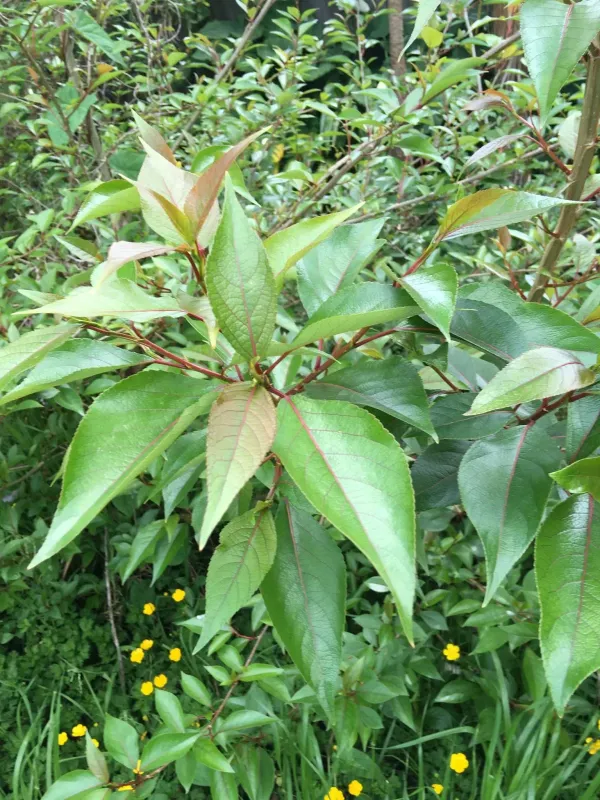
Description
Growing requirements
The Yunnan poplar (Populus yunnanensis) is a member of the Salicaceae family. It is a fast-growing deciduous tree native to the mountainous regions of Southwest China, particularly Yunnan province.
In its natural habitat, the tree thrives at elevations between 1,300 and 3,500 meters. It prefers deep, moist, and well-drained soils, typically found in valleys and along mountain slopes.
This species has high light requirements and performs best when planted in open areas with full sun exposure. It prefers a temperate climate with a distinct dormant season for optimal growth.
Soil management should prioritize moisture retention while ensuring that water does not stagnate, as the root system, although moisture-loving, requires adequate oxygen levels.
Early-stage maintenance involves mulching around the root collar and regular irrigation during dry spells to ensure successful establishment of the saplings.
Yield
The main commercial application for the Yunnan poplar is industrial forestry. It is highly valued for its rapid biomass production, making it an excellent candidate for pulp and timber plantations.
In landscaping, this species is frequently used for avenue planting and windbreaks. Its narrow canopy and straight trunk make it a popular choice for urban planning and large estate design.
The wood produced is of moderate density, suitable for plywood manufacturing, interior construction materials, and various wood-based packaging solutions.
The species also plays a significant role in phytoremediation and soil conservation, as its extensive root system effectively stabilizes slopes and prevents soil erosion in hilly areas.
Forestry managers favor this tree for its short rotation cycles, which provide consistent yields and economic returns within a relatively short period of time compared to other hardwood species.
Main diseases and pests
The primary threats to Populus yunnanensis include fungal diseases such as leaf rust and cytospora canker, which are often exacerbated by poor ventilation and excessive soil moisture.
Pest populations, including various defoliators and wood-boring insects, can significantly stunt tree growth if not monitored and managed during peak infestation seasons.
Integrated pest management strategies should focus on thinning out overstocked stands and removing symptomatic debris to maintain healthy plantation conditions.
Chemical intervention should be considered as a last resort, with a preference for biological control methods to preserve the ecological integrity of the planting area.
Regular inspections and maintenance of spacing allow for better light and air circulation, which are the most effective deterrents against most common poplar pathogens.