
Sichuan poplar
Populus szechuanica
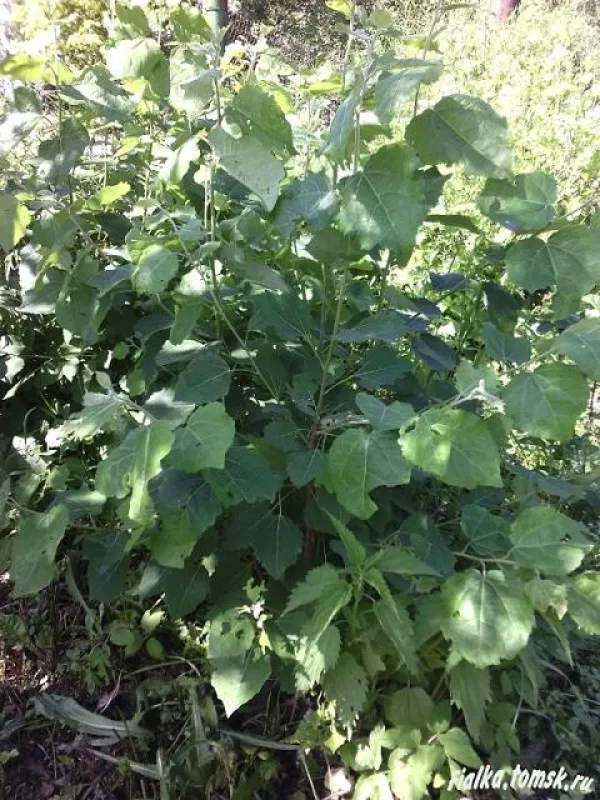
Description
Growing requirements
Sichuan poplar (Populus szechuanica) belongs to the Salicaceae family and is widely recognized for its rapid growth rate and utility in forestry. As a deciduous tree, it develops a robust structure, making it highly suitable for large-scale wood production and erosion control projects.
The species is native to the mountainous regions of Western China, where it has adapted to specific temperate climates. Its natural habitat is typically characterized by high humidity levels and nutrient-rich soils found in river valleys and alluvial zones.
Optimal growth requires deep, well-drained, and fertile soils. While it thrives in moist environments, it is susceptible to stagnant water, which can inhibit root development and make the tree vulnerable to various soil-borne pathogens throughout its growth cycle.
Cultivation practices involve site preparation that includes deep plowing and balancing the nutrient profile of the soil. As a light-demanding species, the Sichuan poplar requires full sun exposure to maintain its rapid biomass accumulation and structural integrity.
The economic value of this tree spans from pulp and paper manufacturing to the production of plywood. Due to its fast growth, it is also a popular choice for biomass energy plantations, contributing to sustainable renewable energy practices globally.
Main diseases and pests
Sichuan poplar is susceptible to several fungal diseases, most notably leaf rust and various forms of stem canker. These pathogens are most prevalent in dense, poorly ventilated plantations where humidity levels remain consistently high during the growing season.
Pest management focuses on controlling leaf-eating insects and wood-boring beetles that can damage the internal structure of the tree. Effective management involves both biological control agents and carefully timed chemical interventions to prevent long-term damage.
- Implementation of regular canopy monitoring to detect early symptoms of infestation.
- Selection of high-quality, disease-resistant cultivars for planting.
- Application of sustainable silvicultural practices to maintain plantation health.
Environmental stress, such as extreme frost or drought, can weaken the trees and make them more susceptible to pest attacks. Therefore, providing optimal conditions during the early stages of the tree's life is essential for long-term health and productivity.
Sanitation practices, such as removing debris and infected plant material, help to break the cycle of pest populations. By maintaining a clean growing environment, foresters can significantly reduce the risk of disease outbreaks and ensure successful harvests.