
Purdom poplar
Populus purdomii
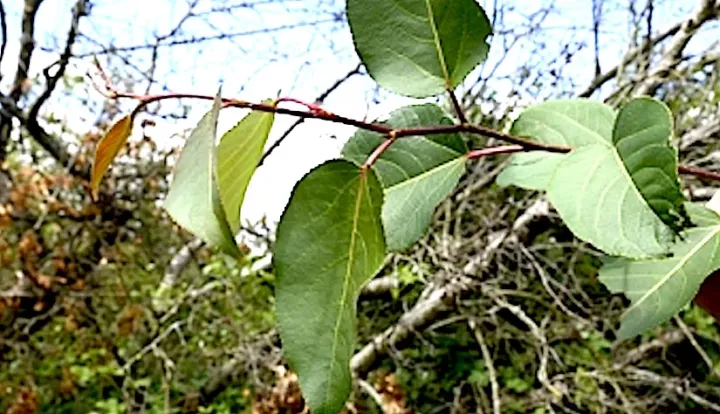
Description
Growing requirements
Purdom poplar (Populus purdomii) is a deciduous tree belonging to the Salicaceae family. Native to the mountainous regions of China, this species is well-adapted to river valley habitats, where it plays a significant role in local ecosystem stability and reforestation efforts.
The tree thrives in moist, fertile soils, showing a preference for deep loams or sandy river deposits. It requires consistent moisture levels to sustain its rapid growth rate, making it an excellent choice for areas with high water tables or near water sources.
As a light-demanding species, Populus purdomii requires full sun exposure to maintain its vigor and structural integrity. While it is hardy in temperate climates, protection from harsh, drying winds during the early establishment phase is recommended to ensure optimal development.
Agricultural management of this crop involves regular monitoring of soil nutrient levels, specifically nitrogen, to support high biomass production. Mulching is highly recommended to retain soil moisture and suppress weed competition during the juvenile stage of the tree.
Pruning should be performed during the dormant season to maintain the desired canopy shape and remove any deadwood. Proper spacing is essential to allow for adequate airflow, which is critical for preventing moisture buildup around the trunk and branches.
Main diseases and pests
Purdom poplar is susceptible to various fungal pathogens, including cytospora canker and leaf rust. These diseases primarily impact trees that are already stressed by environmental factors or mechanical injury to the bark, making prevention and health monitoring crucial.
Insect pests, such as the poplar leaf beetle and various moth larvae, represent a significant challenge to biomass production. Infestations can lead to severe defoliation, which hampers the tree's photosynthetic capability and reduces its overall growth rate.
Effective management includes integrated pest control strategies involving both chemical treatments and cultural practices. Applying systemic insecticides during early spring can prevent larval outbreaks and minimize long-term damage to the foliage.
Sanitation measures, such as the removal of fallen leaves and infected branches, are vital for breaking the disease cycle. Ensuring the landscape is kept clean reduces the overwintering capacity of many pests and fungal spores.
Regular inspections are recommended to detect boring insects, as they often target the vascular system of the tree. If detected, prompt surgical removal of infested wood or application of targeted treatments can save the specimen from decline.