
Populus pruinosa
Populus pruinosa
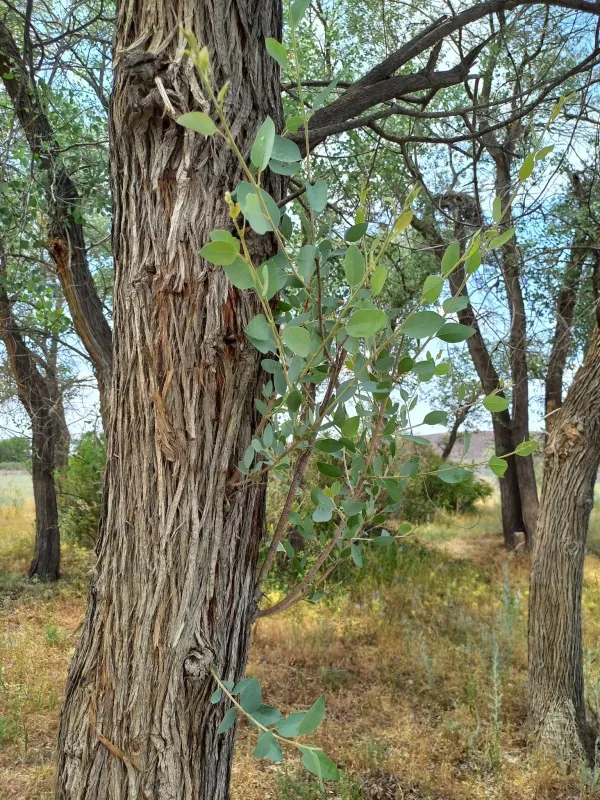
Description
Growing requirements
Populus pruinosa, known as the grey poplar, is a resilient tree belonging to the Salicaceae family, naturally evolved to thrive in harsh desert and semi-desert ecosystems. Its unique physiological traits allow it to withstand high levels of soil salinity and prolonged drought.
The species requires sandy or sandy-loam soils with efficient drainage to ensure healthy root development. It thrives in high-light environments and is extremely sensitive to shading, making it essential to provide open, sunny locations for optimal growth and canopy formation.
Regarding climate, this species is highly heat-tolerant, adapted to the extreme temperature fluctuations typical of its native Central Asian range. It maintains vigorous growth even in environments with extremely low humidity and high evapotranspiration rates.
Agrotechnical practices for this species focus on site preparation to mitigate excess soil salinity during the establishment phase. Proper spacing is crucial to prevent competition for limited water resources and to promote the development of a robust root system.
The economic importance of Populus pruinosa is significant, particularly in desertification control and land restoration projects. It serves as a vital component in shelterbelts that prevent soil erosion and is a source of wood for local construction needs.
Main diseases and pests
The main threats to the health of the population include infestation by leaf-eating insects during peak summer months, which can affect the overall vitality of the trees. Additionally, fungal pathogens may impact the bark if the plant is subjected to prolonged waterlogging.