
Mexican poplar
Populus mexicana
Description
Growing requirements
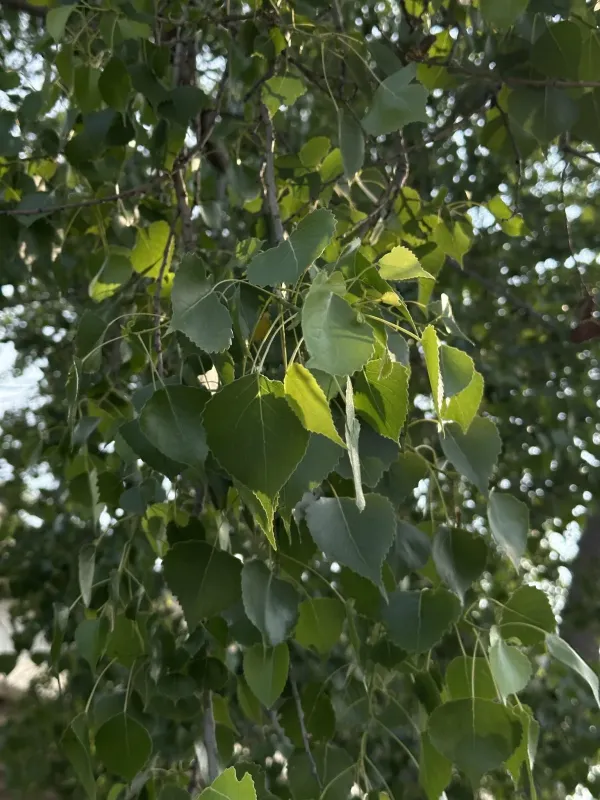
The Mexican poplar (Populus mexicana) is a member of the Salicaceae family. It is a fast-growing deciduous tree native to the riparian habitats of Central and North America.
This species thrives in deep, moist, and well-drained alluvial soils. It is particularly well-suited for riverbanks and areas where the water table is accessible throughout the growing season.
As a light-demanding species, the Mexican poplar requires full sun exposure to reach its maximum growth potential and to develop a healthy, symmetric crown structure.
The tree prefers a warm, frost-free climate. While it shows some adaptability, extreme cold and prolonged freezing temperatures can severely damage its growth cycles.
Adequate soil moisture is critical, especially during the establishment phase. Irrigation may be necessary in plantation settings to ensure consistent growth rates.
Yield
The primary economic use of the Mexican poplar is for timber production, specifically for pulpwood, which is a major component in the paper and cardboard industry.
Due to its relatively low density and uniform texture, the wood is frequently used in the manufacturing of plywood, pallets, and lightweight furniture components.
Because of its rapid growth rate, the species is highly valued for short-rotation plantations aimed at maximizing biomass production in a sustainable manner.
The wood also finds application in the creation of veneers and various wooden packaging materials that require lightweight and cost-effective solutions.
Proper management of the forest stand, including thinning and weed control, ensures high-quality timber output and minimizes the time required to reach harvest maturity.
Main diseases and pests
Mexican poplar, like other members of the genus Populus, can be susceptible to various fungal pathogens, such as leaf rust and canker diseases that affect stem integrity.
Insects and borers represent another major threat, potentially damaging the cambium layer and reducing the structural quality of the wood in affected trees.
Implementation of integrated pest management strategies, including the use of resistant clones and proper site selection, is crucial for maintaining stand health.
Maintaining air circulation through appropriate planting spacing helps to reduce the humidity levels that often promote the development of fungal infections.
Regular monitoring for early signs of distress is the most effective approach to preventing large-scale outbreaks within a plantation or forest block.