
Chinese necklace poplar
Populus lasiocarpa
Description
Growing requirements
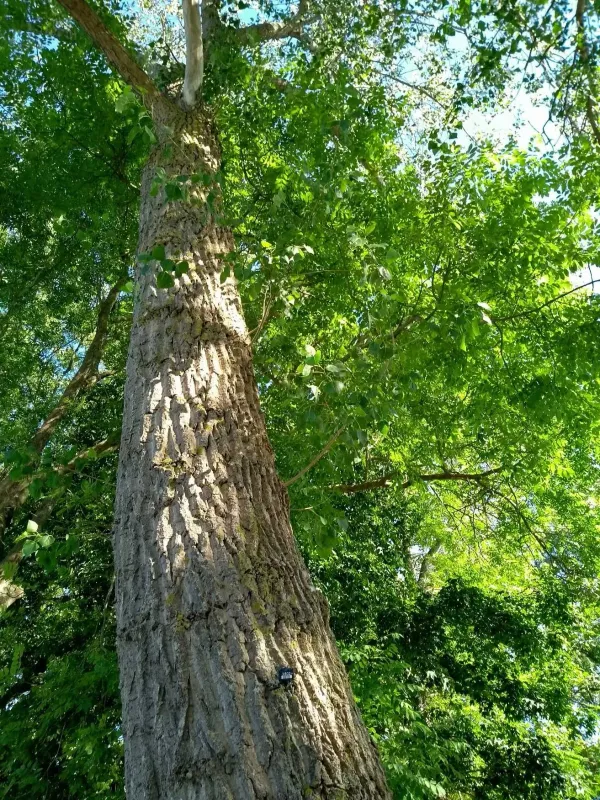
The Chinese necklace poplar (Populus lasiocarpa) is a distinct species within the Salicaceae family, native to the mountainous regions of China. It is highly regarded in horticulture for its large, heart-shaped leaves that possess a unique fuzzy texture, especially on the underside.
This tree requires specific environmental conditions to thrive, typically mirroring its natural habitat near mountain streams and moist forest slopes. It is essential to plant this species in areas that offer consistent soil moisture and shelter from harsh, drying winds that could damage its broad foliage.
For successful cultivation, a deep, nutrient-rich loamy soil is ideal. The species performs best when the root zone remains consistently cool and moist throughout the growing season, which often requires irrigation in drier climates or during prolonged summer heatwaves.
Young specimens are sensitive to frost and extreme cold, necessitating protective measures such as mulching and windbreaks during the first few years of establishment. As the tree matures, its resilience to local climatic conditions generally improves, provided that its basic moisture needs are met.
In terms of landscaping and use, the tree is primarily grown as a specimen or ornamental feature due to its striking foliage and unique architectural form. It serves as an excellent focal point in large parks or botanical gardens where it can be appreciated in isolation.
Main diseases and pests
Common botanical threats include fungal infections such as leaf rust and various canker diseases, which often manifest in poorly drained or overly humid soil conditions. Maintaining proper pruning practices to improve air circulation within the canopy is a standard preventive measure for this species.
Pest management should focus on monitoring for common poplar pests like leaf beetles and certain caterpillars. Early detection and the implementation of biological control methods can effectively maintain the tree's health without relying heavily on broad-spectrum pesticides.