
Swamp cottonwood
Populus heterophylla
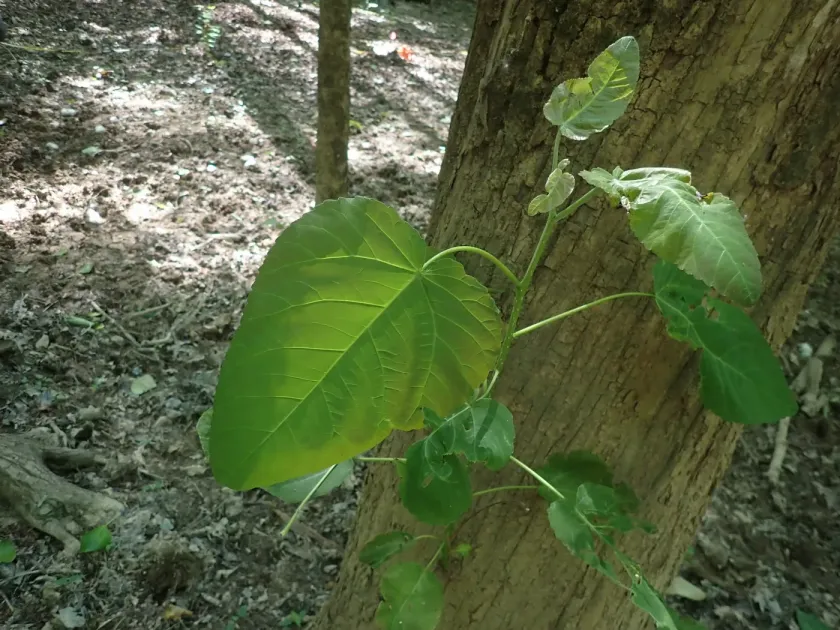
Description
Growing requirements
Swamp cottonwood (Populus heterophylla) belongs to the Salicaceae family. It is a unique species natively found in the swampy forests and floodplains of the southeastern United States.
This tree species thrives in saturated, nutrient-rich soils. It is biologically adapted to survive in environments that are frequently inundated with water for extended periods of the growing season.
Cultivation requirements include constant moisture levels, as the species is highly sensitive to drought conditions. It performs best in deep, alluvial soil profiles with good organic matter content.
The tree requires significant sunlight to reach its full growth potential, though it can tolerate light shading in the seedling stage. It does not perform well in upland, dry, or sandy soils.
In terms of economic usage, it is valued for its light, workable wood and its role in stabilizing riparian zones. It serves as an excellent candidate for reforestation of wetland areas.
Main diseases and pests
The main threats to this species include leaf spot diseases and rusts, which become problematic in areas with poor air circulation and high humidity.
Pests such as poplar borers and leaf beetles can cause substantial damage to young plantations, leading to reduced vigor and stunted development.
Cankers can develop on the stems of older trees, especially if the bark has been damaged by external factors or poor pruning practices.
Prevention involves maintaining optimal tree density and ensuring that the site drainage is natural to prevent stagnant conditions that encourage fungal growth.
Integrated pest management strategies should focus on monitoring for adult insects in early spring and applying appropriate treatments if infestation levels are high.