
David poplar
Populus davidiana
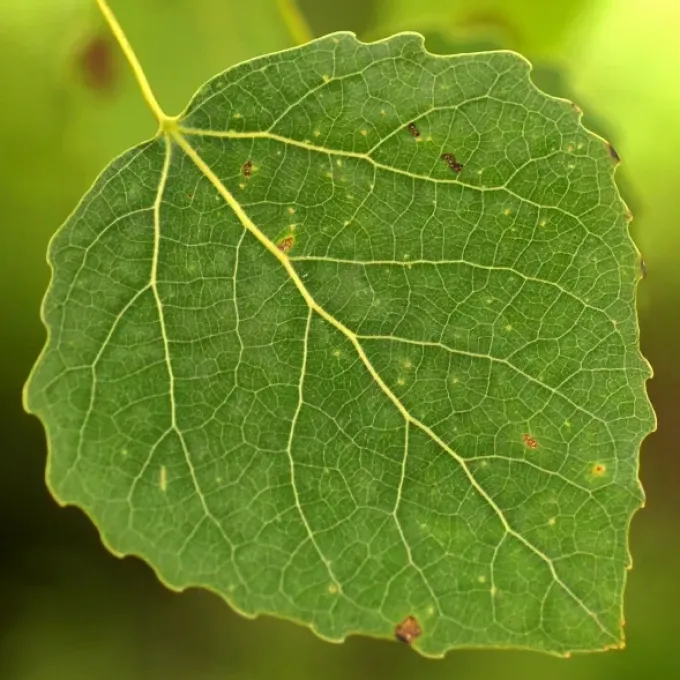
Description
Growing requirements
David poplar (Populus davidiana) is a member of the Salicaceae family, recognized for its natural distribution across East Asia. This deciduous species is highly valued for its vigor and ability to colonize various ecological niches.
The crop thrives in well-drained, fertile soils with loamy or sandy textures. Proper site selection is crucial, as the species requires good soil aeration to support its extensive root system, avoiding waterlogged conditions.
Climatic requirements focus on high cold tolerance, making it an excellent choice for northern reforestation programs. It is a heliophilic plant, requiring full sun exposure to maintain optimal growth rates and structural health.
Agrotechnical management involves sufficient spacing between young trees to minimize resource competition. Regular maintenance includes clearing surrounding weeds and ensuring consistent moisture levels during the initial establishment phase.
Commercially, David poplar is utilized primarily in the timber and paper industries. Its relatively rapid growth cycle and wood properties make it a viable resource for sustainable wood production and protective forestry shelterbelts.
Main diseases and pests
Common diseases affecting the species include various types of rust and powdery mildew. These fungal pathogens are typically triggered by high humidity levels, necessitating good air circulation and proactive site management.
Insect pests such as leaf beetles and wood-boring insects pose a significant risk to young stands. Regular monitoring is essential, as heavy infestations can lead to significant biomass loss and stunted development.
Mechanical damage to the trunk can introduce fungal infections or facilitate pest entry. Protecting the bark from physical impact during maintenance activities is vital for long-term stand health.
Integrated pest management (IPM) strategies, including the use of targeted insecticides and pruning of affected branches, are recommended to maintain stand integrity and wood quality.
Proactive care, including the removal of dead or dying trees, prevents the spread of pathogens throughout the forest plot. Maintaining healthy soil conditions further strengthens the tree's natural resistance to environmental stressors.