
Brandegee poplar
Populus brandegeei
Description
Growing requirements
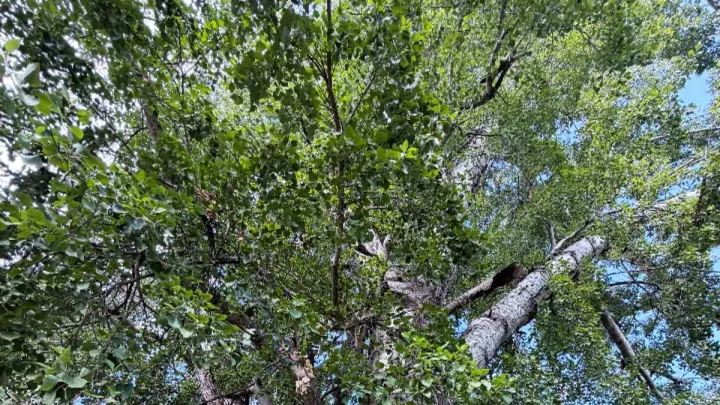
The Brandegee poplar (Populus brandegeei) is a distinct species belonging to the Salicaceae family. It is native to the mountainous regions of Baja California, Mexico, where it has evolved to thrive in specific micro-climates that are not typically associated with common lowland poplars.
Botanically, this species is noted for its adaptability to high-altitude environments, characterized by well-drained soils and proximity to natural water sources. The tree develops a strong root system that allows it to maintain structural stability in rocky or steep mountainous terrain.
For successful cultivation, it is essential to provide deep, fertile soil with a slightly acidic to neutral pH. Proper soil aeration is crucial for the root development, as this species is sensitive to waterlogged conditions that can cause root rot, despite its natural affinity for moisture.
Climate requirements include access to consistent sunlight and a stable temperature range. It performs best in regions that experience clear seasonal cycles, allowing the tree to enter natural dormancy during the winter months, which is essential for its long-term health and vitality.
In terms of practical use, the Brandegee poplar is primarily cultivated in botanical collections and nurseries for conservation purposes. It serves as a valuable resource for research into hybrid vigor and potential breeding programs aimed at improving climate resilience in other poplar species.
Main diseases and pests
The main threats to Populus brandegeei include fungal infections such as leaf rust and powdery mildew, which thrive in environments with poor air circulation. Effective management requires thinning branches to increase sunlight penetration and ensuring adequate spacing between trees.
Common pests include poplar borers and various leaf-eating insects. Integrated pest management strategies, focusing on early detection and the use of eco-friendly insecticidal soaps, are recommended to maintain the aesthetic and physical health of the plants.