
Narrowleaf cottonwood
Populus angustifolia
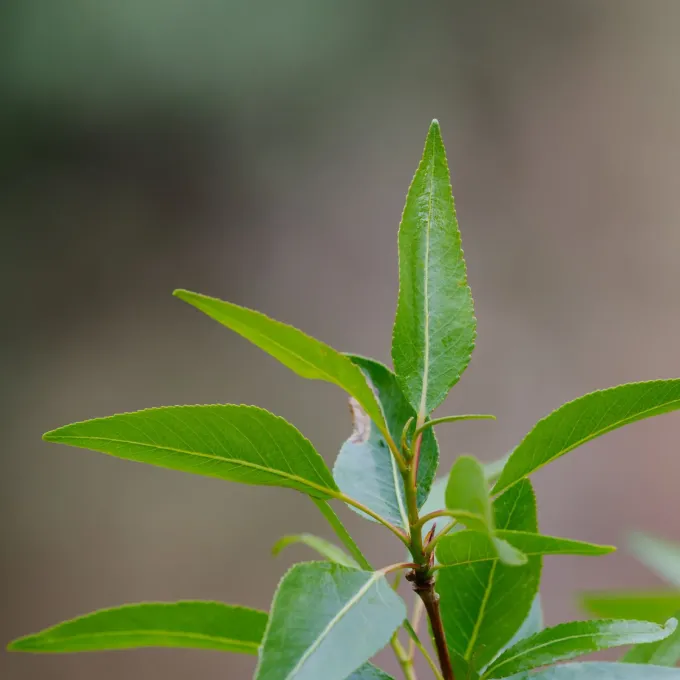
Description
Growing requirements
Narrowleaf cottonwood (Populus angustifolia) is a deciduous tree belonging to the Salicaceae family. It is native to the western parts of North America, where it thrives along riparian zones and mountainous riverbeds.
The crop requires moist, well-drained soils, typically alluvial loams or sandy soils, to achieve optimal growth. It is a highly light-demanding species that suffers significantly in shaded or overcrowded environments.
Climatic requirements involve distinct seasonal variations with ample water availability. While the species is cold-hardy, it requires protection from prolonged droughts which can induce early leaf senescence.
Management practices include maintaining appropriate spacing between individual trees to promote air circulation and prevent competition for nutrients and solar radiation.
The tree is commercially valuable for timber, cellulose production, and erosion control. Its rapid growth rate makes it an excellent choice for windbreak installations and land reclamation projects.
Main diseases and pests
Primary health issues include leaf rust and fungal pathogens that affect the bark, often triggered by stagnant air or excessive humidity levels during the summer months.
Common insect pests such as aphids, leaf beetles, and stem borers are known to impact the foliage and structural integrity of the tree, potentially slowing its development.
Effective pest management involves regular field inspections to detect early signs of infestation and the application of integrated pest management (IPM) strategies.
Sanitation of the plantation site, including the removal of deadwood and infected leaves, is essential to minimize the inoculum levels of pathogens in the soil.
Using certified, disease-resistant planting stock and ensuring optimal soil nutrition are the best proactive measures to ensure a high-quality, long-term stand of timber.