
Idesia polycarpa
Idesia polycarpa
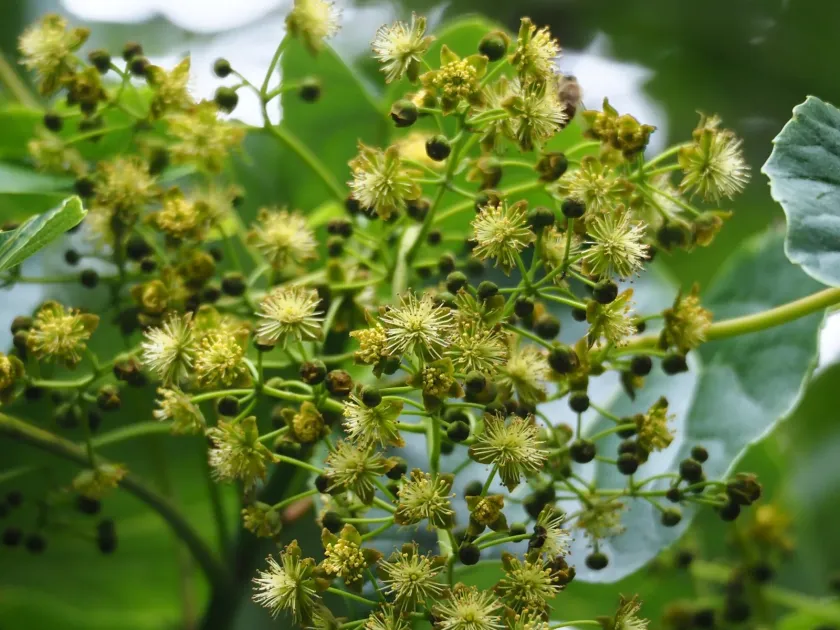
Description
Sowing dates
The propagation of Idesia polycarpa is primarily performed through seeds, which require stratification for 2 to 3 months at temperatures between 0 and 5°C to ensure successful germination.
Seeds should be sown in early spring into a light, well-draining substrate, burying them at a shallow depth of approximately 0.5 to 1 centimeter.
Vegetative propagation via cuttings is also an option for those looking to preserve specific traits and shorten the timeline for reaching maturity and fruit production.
Since Idesia is a dioecious plant, growers must ensure that both male and female specimens are present in the plantation to facilitate successful pollination.
Proper weed management in the first years of growth is crucial to ensure that young trees receive adequate nutrients and light without competition.
Growing requirements
Idesia polycarpa, a member of the Salicaceae family, is a deciduous tree that can grow up to 15 meters in height, known for its rapid growth and structural beauty.
The tree thrives in sunny, sheltered locations, avoiding areas prone to strong winds which could damage the branches and the crown structure.
Fertile, slightly acidic to neutral soils with excellent drainage are essential, as the plant is susceptible to root rot if the substrate remains waterlogged.
While adapted to subtropical climates, adult Idesia trees exhibit moderate cold tolerance, often surviving temperatures down to -15°C to -20°C in favorable conditions.
Consistent watering during the growing season is necessary, particularly during hot summer spells, to maintain the health and vigor of the wide, lush leaves.
Yield
The main yield consists of clusters of bright orange-red berries, which are not only visually striking but also contain seeds rich in oil.
This oil has potential industrial applications, including the production of specialized coatings and chemicals, adding to the tree's agricultural value.
While not a traditional food crop, the fruit can be used in minor applications or traditional medicinal preparations in various Asian cultures.
The decorative yield of the tree—its autumn foliage and persistent red berries—makes it a highly valued specimen in urban landscaping and silviculture.
Productivity is highly dependent on climate and the correct ratio of male to female trees within the orchard to maximize fruit set.
Main diseases and pests
Idesia polycarpa is generally robust; however, improper soil management can lead to fungal diseases affecting the foliage during humid periods.
Pests such as aphids or leaf-eating insects may occasionally infest the plant, necessitating regular monitoring to prevent significant defoliation.
Root rot is the most common threat caused by poor drainage, so ensuring a well-drained planting site is the best preventive measure for long-term health.
Winter damage from rodents chewing on the bark can be a significant issue for young saplings, often requiring protective measures like trunk wrapping.
Integrated pest management and good horticultural practices are usually sufficient to maintain the health of the plantation without heavy pesticide reliance.
Harvesting
Harvesting usually takes place in autumn, once the berries have reached full maturity and display their characteristic deep orange or red color.
Gathering the fruit involves careful collection of the heavy clusters to avoid damaging the buds for the following year's growth.
Once harvested, the berries should be processed promptly by cleaning and drying to prevent spoilage and maintain the quality of the oil within the seeds.
Timing is critical, as delaying the harvest can lead to significant crop loss due to bird activity or the berries naturally detaching from the clusters.
Storage conditions must be cool and dry to preserve the seeds for industrial extraction, ensuring the end product meets the required quality standards.