
Flacourtia inermis
Flacourtia inermis
Description
Sowing dates
The propagation of Flacourtia inermis is primarily achieved through seeds, which should be sown immediately after fruit harvest to ensure maximum viability.
Seedbeds should be prepared with a mixture of fine sand and organic compost to maintain high moisture levels without causing waterlogging during the germination phase.
For vegetative propagation, semi-hardwood cuttings treated with rooting hormones prove effective when placed under mist or high-humidity greenhouse conditions.
Seedlings typically require a nursery phase of several months before they are robust enough to be transplanted into the main orchard area.
Transplanting should ideally be performed during the onset of the wet season, which provides the young trees with sufficient hydration to establish their root systems.
Growing requirements
Flacourtia inermis belongs to the Salicaceae family and is native to tropical regions of Asia, thriving in warm, humid environments with little temperature variation.
The species prefers deep, fertile, and well-drained soils, although it shows a remarkable ability to adapt to various soil textures provided they are not excessively sandy.
Sunlight is essential for vigorous growth and optimal fruit production; however, young saplings benefit from light shading to protect them from direct, intense sunlight.
Adequate water supply is crucial, especially during the flowering and fruit-setting stages, to prevent premature fruit drop and ensure high-quality yields.
The tree requires significant space as it can reach moderate heights, and therefore proper planting distances are recommended to allow for crown development.
Yield
Production cycles for Flacourtia inermis typically start around the 4th to 6th year of growth, depending on whether the trees are seedling or clonal in origin.
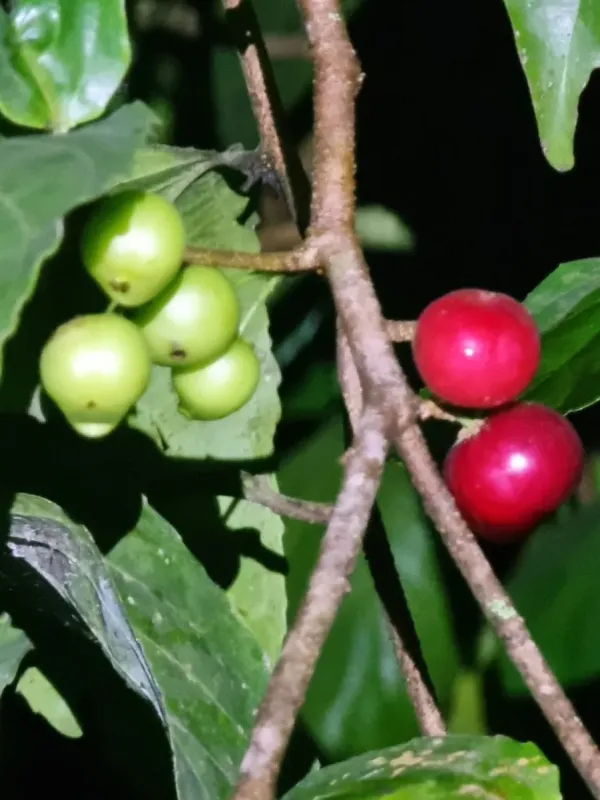
The fruits develop in dense clusters, maturing to a dark red or purple shade, which is the primary indicator that the fruit is ready for harvesting.
Mature trees can produce substantial quantities of fruit annually, contributing to their value as a commercial or homestead food source.
Due to the tart and acidic nature of the fresh fruit, the majority of the yield is directed toward industrial processing for jams, jellies, and preserved products.
Implementing a structured pruning program helps to manage the tree size and concentrate energy into fruit production rather than excessive vegetative growth.
Main diseases and pests
Common agricultural threats to the crop include scale insects and mealybugs, which tend to infest the soft, young shoots of the tree during the active growth period.
Fungal pathogens may cause leaf spots or bark lesions, particularly if the humidity levels in the plantation remain consistently high without adequate airflow.
Regular monitoring of the orchard is a vital agronomic practice to catch early signs of pest outbreaks before they lead to significant economic loss.
Integrated Pest Management (IPM) strategies, including the use of beneficial insects or organic soaps, are preferred to maintain the health of the ecosystem.
- Removing fallen leaf litter to reduce potential fungal spore populations.
- Ensuring proper spacing to improve ventilation and reduce micro-humidity around the foliage.
Harvesting
Harvesting Flacourtia inermis is a labor-intensive process due to the delicate skin of the ripe fruit and the tendency for uneven maturation on the tree.
Pickers must exercise caution to select only fully colored fruits, as immature ones lack the necessary sugars and flavor complexity for processing.
Hand-picking is the standard method, as it minimizes bruising to the fruit clusters and avoids unnecessary damage to the tree's productive branches.
Once harvested, the fruit is highly perishable and should be transferred to processing facilities or chilled storage within a few hours to prevent rapid fermentation.
Proper logistical planning is required during the peak harvest season to ensure that the gathered crop is processed immediately to retain its nutritional profile.