
Dovyalis rhamnoides
Dovyalis rhamnoides
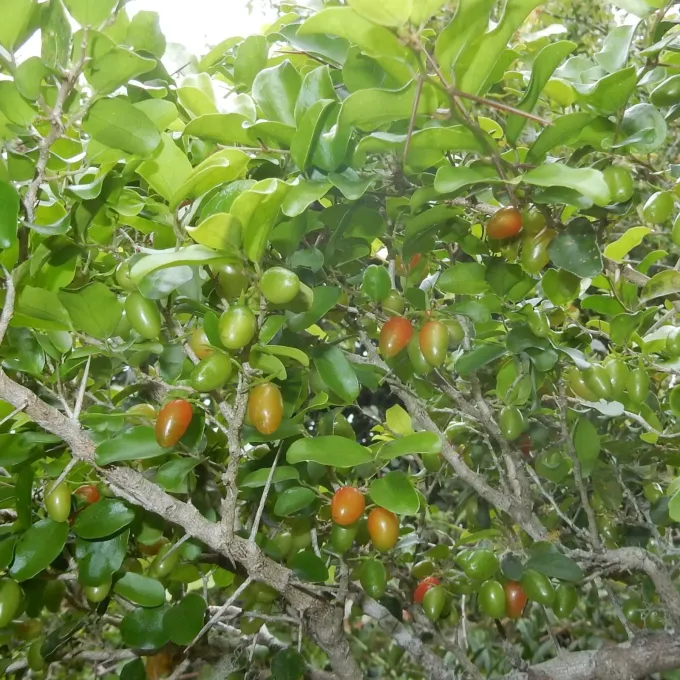
Description
Sowing dates
Propagation of Dovyalis rhamnoides is typically achieved through seeds or stem cuttings. Seeds require stratification to break dormancy, and they should be sown in a well-draining, nutrient-rich substrate during late winter or early spring.
For vegetative propagation, semi-hardwood cuttings are used. These should be rooted in a high-humidity environment with consistent warmth to ensure successful root development. The process takes several weeks to establish a viable root system.
Transplanting into the permanent garden site should occur only after all risk of frost has passed. Young plants require a sheltered location to protect them from strong winds while ensuring they receive adequate exposure to sunlight.
During the establishment phase, consistent moisture is vital. However, waterlogging should be strictly avoided to prevent root rot. The use of root-stimulating fertilizers can enhance the chances of survival for young seedlings.
The spacing between plants should be at least two to three meters. Since the species develops a dense and wide crown, adequate space is necessary for proper air circulation and to prevent the development of fungal infections.
Growing requirements
Dovyalis rhamnoides is a member of the Salicaceae family, native to the southern regions of Africa. This evergreen or semi-deciduous shrub is well-known for its spiny branches and dense growth habit, making it both a fruit-producer and a security hedge.
The plant thrives in fertile, well-draining soils with a neutral or slightly acidic pH. While it displays reasonable drought tolerance once established, it requires regular watering during the growing season to maximize fruit production and overall vigor.
Sunlight is critical for this species. It prefers full sun exposure to maintain healthy leaf color and to stimulate abundant flowering. In partial shade, the plant often becomes leggy and produces fewer fruits.
A routine maintenance program including pruning is essential for this shrub. Regular trimming helps control the size of the plant, manages the growth of thorny branches, and facilitates easier fruit harvesting.
For optimal nutrition, applying a balanced NPK fertilizer during the spring is recommended. Organic matter, such as compost, can be incorporated into the soil annually to improve fertility and moisture retention capacity.
Yield
The yield of Dovyalis rhamnoides consists of small, rounded drupes that transition from green to vibrant orange or red upon maturity. These fruits are highly prized for their distinctive tart-sweet flavor.
Fruit production generally begins when the shrub is three to four years old. Yield potential is influenced significantly by climate, sunlight levels, and the intensity of horticultural care provided during the flowering and fruit-set phases.
In culinary applications, the fruits are versatile. They are frequently used to make jams, jellies, and desserts, where their natural acidity provides a refreshing balance to sugars. They can also be consumed fresh, although their tartness is quite potent.
The shrub is also utilized as a defensive plant. Due to its sharp, long spines and dense foliage, it serves as an excellent natural barrier, effectively deterring both animals and intruders from entering specific garden zones.
Due to the difficulty of harvesting from spiny branches, large-scale commercial cultivation is rare. However, the plant is a popular choice for homesteaders and home gardeners interested in unique, low-maintenance exotic fruits.
Main diseases and pests
Fungal pathogens represent a primary threat, particularly in regions with high humidity or poor ventilation within the canopy. Pruning to maintain an open branch structure is the most effective preventative measure against these infections.
Pests like aphids and spider mites can colonize the soft, young shoots during dry spells. Regular inspection and the use of targeted biological controls or appropriate insecticidal soaps are recommended to keep infestations under control.
Root rot is a common issue when the soil remains waterlogged for extended periods. Proper site selection and the installation of a gravel drainage layer under the root zone are crucial for long-term health.
Nutrient deficiencies, particularly chlorosis, can be identified by the yellowing of foliage between the veins. This can be addressed through the application of chelated iron or a complete micronutrient foliar spray.
Preventative fungicide applications may be necessary in high-rainfall climates to shield the foliage from common bacterial or fungal leaf spots that typically affect exotic shrubs in non-native environments.
Harvesting
Harvesting should be conducted with care, wearing heavy-duty gloves to protect against the plant's sharp thorns. Careful handling ensures that the delicate fruits are not damaged, which would reduce their shelf life.
Maturity is indicated by the deep color of the fruit and a soft texture upon slight pressure. Fruits should be picked individually, often requiring multiple sessions as not all berries ripen simultaneously on the same branch.
Once picked, fruits should be placed in shallow containers. Stacking them too deeply can cause bruising and juice leakage, which promotes premature spoilage. Storage in a cool environment is essential if the fruits are not processed immediately.
For longer-term preservation, fruits can be washed, stemmed, and frozen. They retain their flavor profile well when frozen, making them available for year-round culinary use in various recipes.
Post-harvest care involves a light pruning to tidy up the plant and the application of a final fertilization dose to support the plant before it enters a period of reduced growth or dormancy.