
Dovyalis macrocalyx
Dovyalis macrocalyx
Description
Growing requirements
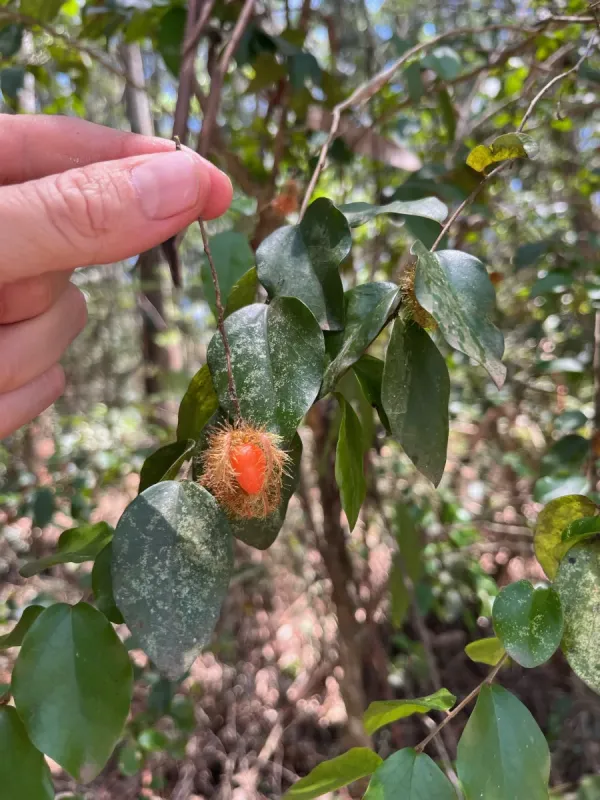
Dovyalis macrocalyx belongs to the Salicaceae family and is an evergreen shrub or small tree native to the tropical regions of Africa. This plant is known for its dense foliage and the presence of sharp spines, which make it an effective candidate for functional and protective landscape hedging in tropical climates.
The climate requirements for this species are centered on warm, frost-free environments. While the plant can tolerate a range of subtropical temperatures, it thrives best in sunny conditions where it can photosynthesize efficiently, supporting the development of its characteristic fleshy, edible fruit.
Soil management for Dovyalis macrocalyx is crucial, as it prefers fertile, well-draining soils with a neutral pH. The root system is sensitive to waterlogging, so planting on slopes or in soil enriched with organic matter is recommended to prevent common moisture-related issues like root decay.
Agronomic practices include regular but moderate watering during the growing season and occasional structural pruning. Pruning is essential not only to maintain a manageable size but also to prevent the dense, thorny branches from becoming too overgrown, which facilitates harvesting and maintenance operations.
In terms of usage, the fruits are highly regarded for their culinary applications. They are frequently consumed fresh or used as key ingredients in jams, jellies, and desserts due to their vibrant flavor profile. The plant is considered a promising minor fruit crop for regions with suitable ecological conditions.
Main diseases and pests
The primary threats to this culture include infestations by scale insects and spider mites, which can weaken the plant by feeding on its sap. Additionally, excessive humidity or poor soil drainage can predispose the plant to various fungal infections, such as leaf spot, necessitating proactive monitoring.