
Dovyalis longispina
Dovyalis longispina
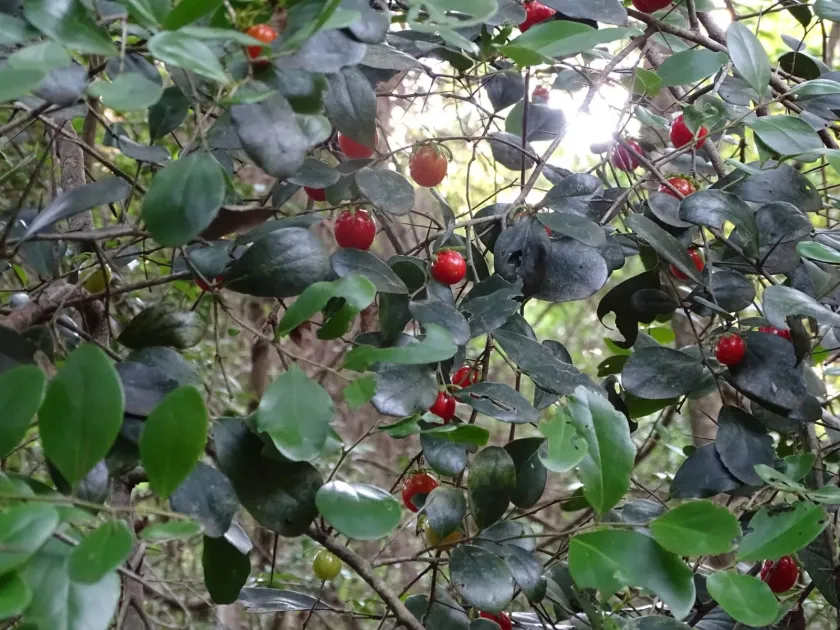
Description
Growing requirements
Dovyalis longispina is a woody plant belonging to the Salicaceae family, recognized for its distinctively long, sharp spines on its branches. This species is often sought after not only for its edible fruit but also for its natural defensive capabilities when used as a hedge plant.
Originating from the tropical and subtropical regions of Africa, this plant has adapted to various environmental conditions. Its natural habitat is characterized by warm climates where it can receive abundant sunlight, which is essential for its vegetative growth and the subsequent development of healthy fruits.
The plant thrives in well-drained soils that offer a balance of nutrients. While it can withstand periods of drought once established, it prefers consistent moisture during the initial stages of development. Maintaining a neutral or slightly acidic soil pH is recommended for optimal nutrient uptake.
Agricultural management of Dovyalis longispina involves strategic pruning to control its thorny branches and facilitate harvest. Although it is a relatively low-maintenance crop, it requires adequate space to grow, as overcrowding can lead to poor fruit quality and difficulty in accessing the plant.
Economically, the fruit is valued for its culinary properties, often used in local markets for preserves and jellies. The plant also serves an ecological role, providing habitat and food sources for various pollinators and local fauna within its native range.
Main diseases and pests
Pests such as scale insects and spider mites are known to infest the foliage, particularly during dry seasons. Integrated pest management strategies, including the use of neem oil or targeted biological controls, are effective in keeping these populations under control.
Fungal pathogens associated with high humidity, such as leaf spot, may occur if airflow around the canopy is insufficient. Regular maintenance, such as clearing debris from the base and pruning to ensure aeration, is crucial for preventing these common issues.